ISO 9001:2015 Certified  |  38+ years of power engineering for critical infrastructure
Power Utilities DC Systems & Substation Engineering

Architecting Reliable Power Utilities DC Systems for Substation Protection & Grid Resilience

Engineered 24V, 48V, 110V, 125V, and 220V industrial DC power plants, heavy-duty battery chargers, and N+1 modular switchmode systems built for tripping duty, SCADA automation, and zero-downtime grid operation.

  • 38+ Years Utility Engineering
  • ISO 9001:2015 Certified Quality
  • DNP3 / Modbus SCADA Integration
Helios Priority Programme – utility asset lifecycle support and stock allocation

The Helios Utility Priority Assurance Programme

Substation, transmission, and power generation assets operate on 15 to 30-year lifecycle horizons. The Helios Priority Programme provides power utilities and engineering EPCs with dedicated reserve component stocking, documented 15-year spares availability, factory-witnessed acceptance testing (FAT), and rapid engineering dispatch across our four support hubs in Australia, New Zealand, Singapore, and Dubai.

Get Catalog
0Utility & Infrastructure Projects
0Global Asset Owners
0Years Continuous Innovation
4Global Engineering Hubs
Engineering Whitepaper & Strategic Guide

The Critical Role of Power Utilities DC Systems in Modern Grid Infrastructure

In power generation, high-voltage transmission substations, and regional distribution networks, continuous direct current (DC) power is non-negotiable. While AC power powers the grid itself, Power Utilities DC Systems serve as the central nervous system—delivering uninterruptible energy to switchgear tripping and closing coils, protective relaying schemes, telecommunications, Remote Terminal Units (RTUs), and Supervisory Control and Data Acquisition (SCADA) networks.

Why Substation DC Systems Differ From Standard UPS Equipment

Commercial AC UPS systems convert power back and forth through inverter stages, creating potential single-point failure vectors that are unacceptable in high-voltage protection environments. Conversely, a dedicated utility-grade DC system relies on a continuous float-charged station battery bank directly tied to the DC bus bar. When grid mains fail or severe fault conditions occur, the DC bus delivers immediate, high-peak impulse current to trip high-voltage circuit breakers without a single millisecond of transfer lag.

Helios Power Solutions has spent over 38 years designing, testing, and commissioning industrial DC systems engineered specifically for harsh electrical substation environments. Operating under ISO 9001:2015 quality frameworks, our systems withstand high electromagnetic interference (EMI), extreme temperature fluctuations, high short-circuit duty, and stringent isolation demands mandated by international utility standards such as IEEE 485, IEEE 1188, IEC 60255, and IEC 61204.

Key Design Parameters for Utility DC System Procurement

  • Nominal Bus Voltages: Standardized 24VDC (telemetry/radio), 48VDC (telecom/RTU), 110VDC/125VDC (substation protection & tripping), and 220VDC (power plant control & heavy switchgear).
  • High Momentary Discharge Capability: Rectifiers and battery banks sized to withstand intense momentary current surges (up to 300A-500A) during breaker closing and tripping sequences without dropping bus voltage below protective limits.
  • Battery Chemistry Integration: Tailored charging algorithms for Valve Regulated Lead Acid (VRLA), Vented Lead Acid (VLA/Flooded), Nickel-Cadmium (NiCd), and Lithium Iron Phosphate (LiFePO4/LFP) battery banks.
  • Galvanic Isolation & Noise Suppression: High dielectric strength between AC input, DC output, and chassis ground to prevent lightning transients or switching surges from damaging sensitive digital relays.
Utility-Grade Product Portfolio

Recommended Power Utilities DC Systems & Hardware Architectures

Explore our field-tested power conversion platforms designed specifically for substation automation, power generation backup, and remote grid nodes.

Industrial Substation Battery Chargers

Heavy-duty SCR-based and switch-mode float chargers designed for 110V and 220V station battery banks. Feature automatic boost charging, temperature compensation, dynamic ripple filtering, and comprehensive alarms.

110V / 125V / 220V · Up to 400A

Modular N+1 Hot-Swap DC Systems

Scalable shelf-mounted rectifier arrays delivering N+1 or N+2 redundancy. Modules can be hot-replaced without shutting down protection buses, offering unmatched operational uptime and easy load expansion.

Sol Series · Convection Cooled

Integrated Utility DC UPS Systems

Compact, enclosed power units combining switchmode rectifiers, battery management, low-voltage disconnect (LVD), and configurable DC distribution circuit breakers in a single cabinet.

12V / 24V / 48V / 110V DIN & Rack

High-Isolation DC/DC Converters

Step-up, step-down, and isolated voltage regulators that derive clean 24V or 48V power from an existing 110V or 220V substation battery bus to feed sensitive radio and SCADA equipment.

Wide Input Range · Ruggedized

Pure Sine Wave DC/AC Inverters

Utility-grade inverters converting station DC battery voltage into clean, isolated AC power for substation control room computers, event recorders, and emergency lighting systems.

1kVA – 20kVA · Parallel Capable

SCADA Smart System Controllers

Advanced monitoring units providing real-time data logging, individual cell voltage monitoring, ground fault detection, and protocol mapping for DNP3, Modbus RTU/TCP, and SNMP v3.

DNP3 · Modbus · IEC 61850 Ready

Substation Industrial Battery Banks

High-rate discharge AGM, Gel, Planté, NiCd, and LiFePO4 battery strings engineered and sized according to IEEE 485 autonomy profile calculations.

10 to 25 Year Design Life

Custom Enclosed DC Power Systems

Factory-assembled turnkey cabinets featuring IP31 to IP65 environmental protection, seismic zone 4 reinforcement, custom copper busbars, and integrated isolation switches.

Engineered-To-Order (ETO)
Technical Architecture Matrix

Power Utilities DC Systems: Selection & Comparison Guide

Compare key utility DC power topologies to determine the optimal configuration for your substation footprint, redundancy requirement, and maintenance strategy.

Detailed Engineering Matrix for Utility DC System Selection (Compliant with IEEE 485 & IEC 61204)
DC Architecture Topo Typical Voltage & Current Range Primary Utility Application Redundancy & Reliability Index SCADA & Comms Capabilities Key Engineering Selection Traps
Thyristor (SCR) Substation Charger 110V - 220V DC
20A to 400A continuous
Transmission substations, power plants, heavy switchgear tripping Extreme durability; transformer isolated; MTBF > 250,000 hrs DNP3 outstation, Modbus RTU, dry alarm contacts Requires LC filtering to meet AC ripple < 2% Vrms; bulkier physical cabinet footprint.
Modular Switch-Mode DC System (Sol Series) 24V, 48V, 110V, 125V DC
10kW to 60kW+ per rack
Distribution substations, smart grid nodes, renewable power sites N+1 or N+2 hot-swappable module redundancy; zero operational downtime DNP3 TCP, Modbus TCP, SNMP v3, web browser GUI Ensure controller has default float fallback if communications module fails; check harmonic distortion (THD).
Integrated Industrial DC UPS 12V, 24V, 48V, 110V DC
5A to 60A output
Remote terminal cabinets, reclosers, ring main units (RMU), pole-top sites Single-enclosure integration; battery low-voltage disconnect protection Modbus RTU, SNMP traps, digital dry contact outputs Temperature derating must match ambient cabinet conditions (-25°C to +70°C); verify recharge time vs. duty cycle.
Dual Battery / Dual Charger System 110V or 220V DC
Fully redundant dual bus
Nuclear, thermal, large hydro power stations, EHV 500kV substations 100% duplicate system redundancy (Bus A + Bus B dual tripping coils) Dual-port DNP3 / Modbus Ethernet with cross-system diagnostic reporting Cross-coupling risks between Bus A and Bus B earth monitoring devices must be electrically isolated.
Station DC/DC Conversion Hub 110VDC Input to 24VDC or 48VDC Output Deriving clean low-voltage telecom/SCADA rails from main 110V station battery Galvanic isolation; parallel power module configuration Monitored via primary controller or standalone Modbus slave Inrush current handling; input transient suppression (IEC 61000-4-5 compliance).
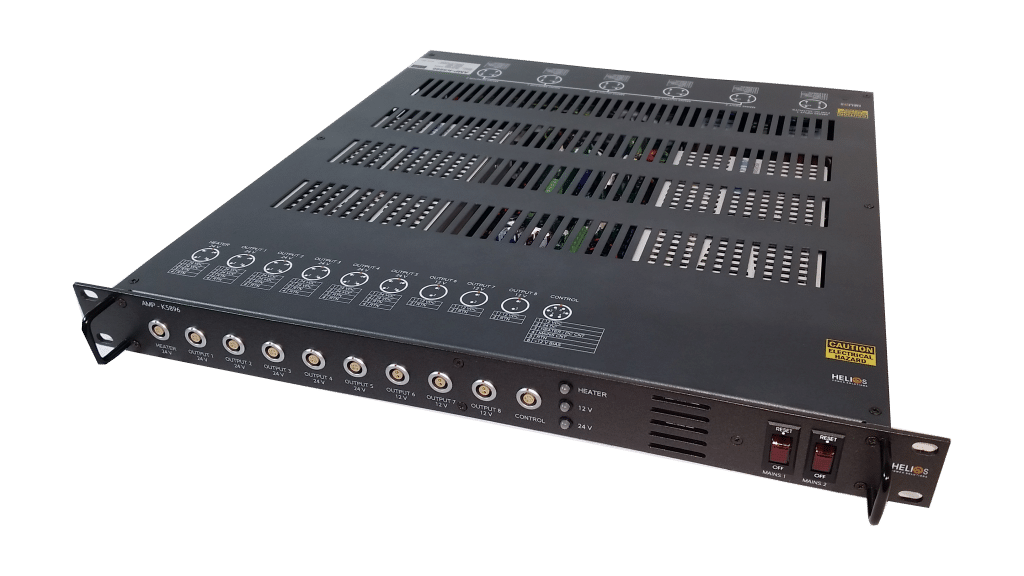
Custom Engineered Power Utilities DC Systems distribution panel by Helios Over 50% of systems shipped are engineered to custom utility specifications
Custom Engineering Excellence

Tailoring Power Utilities DC Systems to Specific Grid Standards

Off-the-shelf catalog power supplies rarely satisfy the rigorous specification booklets issued by regional power utilities, transmission system operators (TSOs), and distribution system operators (DSOs). Environmental extremes, regional grid codes, legacy RTU interfaces, and specific battery enclosures require specialized engineering modifications.

At Helios Power Solutions, our in-house engineering team customizes over half of all manufactured systems. From engineered-to-order (ETO) copper busbar configurations to custom DNP3 point mapping tables, we eliminate integration friction before equipment arrives on site.

  • Voltage & Current Re-Rating: Sizing systems precisely for non-standard mains voltages (110V/230V/400V 3-Phase) and specific battery charging profiles.
  • Advanced SCADA Protocol Mapping: Pre-configuring DNP3 outstation serial/TCP point lists and Modbus registers to seamlessly communicate with Schneider, SEL, Siemens, or ABB substation automation networks.
  • Rugged Enclosure Hardening: Custom IP31, IP54, and IP65 NEMA-rated cabinets with anti-vibration mountings, conformal-coated circuit boards, and anti-condensation heating for tropical or desert climates.
  • Factory Acceptance Testing (FAT): Comprehensive multi-point electrical load, thermal rise, and short-circuit testing conducted in our ISO 9001:2015 certified facilities.
Future Outlook & Market Intelligence

Future Trends in Utility DC Power Procurement & Grid Technology

As global power utilities transition toward renewable energy integration, distributed energy resources (DERs), and digital smart substations, DC auxiliary systems are undergoing significant technological evolution.

1. Transition to Lithium Iron Phosphate (LiFePO4) & Battery Hybridization

While flooded Lead-Acid and VRLA batteries have historically dominated substations, utilities are rapidly procuring Lithium Iron Phosphate (LiFePO4) systems due to their 3x longer cycle life, smaller footprint, and superior high-temperature tolerance. Modern utility DC systems must incorporate active Battery Management System (BMS) communications to prevent sudden over-voltage disconnects during float charging.

2. IEC 61850 Native Digital Substation Automation

The rise of digital substations utilizing optical fiber process buses requires DC system controllers to move beyond simple dry alarm contacts. Future-proof DC power systems now feature native IEC 61850 GOOSE and MMS protocol compatibility, allowing real-time battery impedance data, ground fault status, and charger health metrics to be published directly to substation protection relays.

3. Wide-Bandgap Semiconductor Efficiency (SiC & GaN)

High-frequency Silicon Carbide (SiC) power switching components are replacing legacy silicon rectifiers in modular utility DC systems. SiC technology enables rectifiers to operate at over 96.5% peak energy efficiency, drastically reducing heat dissipation in enclosed control rooms and lowering utility operational expenditure (OPEX).

4. Online Earth Fault & Insulation Health Monitoring

Because utility 110V and 220V DC protection buses are ungrounded to ensure continuous operation during a single line-to-ground fault, continuous online insulation monitoring has become mandatory. Advanced controllers continuously inject low-frequency AC signals to measure earth insulation resistance, pinpointing physical cable degradation before a catastrophic double-earth fault occurs.

5. Cyber-Secure Power Conversion Controllers

With smart substations increasingly connected to utility WANs, power system controllers represent potential cybersecurity vectors. Modern utility procurement standards mandate strict NERC CIP and IEC 62443 compliance, requiring encrypted SNMP v3, SSH network protocols, multi-level user authentication, and secure firmware verification.

6. Modular N+1 Standardization for Reduced MTTR

Global utilities are shifting away from massive single-cabinet SCR chargers toward modular, hot-swappable switch-mode systems. Standardizing on 19-inch sub-rack rectifier modules reduces Mean Time to Repair (MTTR) from hours down to minutes, allowing field technicians to restore full redundancy by simply replacing plug-in modules.

Proven Field Performance

Real-World Power Utilities DC Systems Applications

Examine how Helios Power Solutions delivers engineered utility DC power systems across power stations, transmission substations, and micro-hydro generation assets.

110V DC UPS System for 11kV Substation Switchgear

110V DC UPS System for 11kV Switchgear Tripping

Engineered a high-reliability 110VDC charger and battery system for an 11kV distribution substation. Delivered guaranteed 400A peak impulse tripping current, automated battery monitoring, and DNP3 SCADA reporting to prevent grid outage cascades.

Read full case study →
Float Chargers for Micro Hydro Power Stations in Samoa

6.2kW Heavy-Duty Float Chargers for Micro-Hydro Power

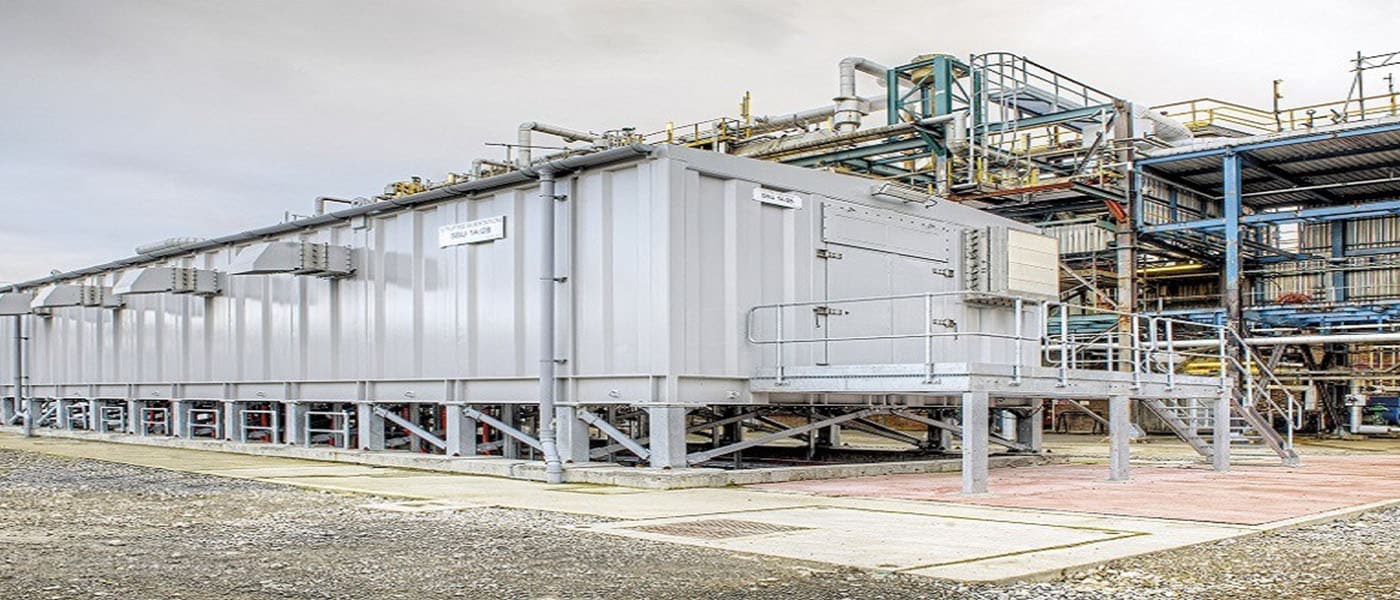
Rebuilt hydro-electric station auxiliary power systems post-cyclone in Samoa. Installed ruggedized 6.2kW float chargers designed for extreme humidity, tropical ambient temperatures, and remote maintenance access.

Read full case study →
Process Backup DC System for Large Power Plant

Industrial Power Generation Protection at OKI Mill

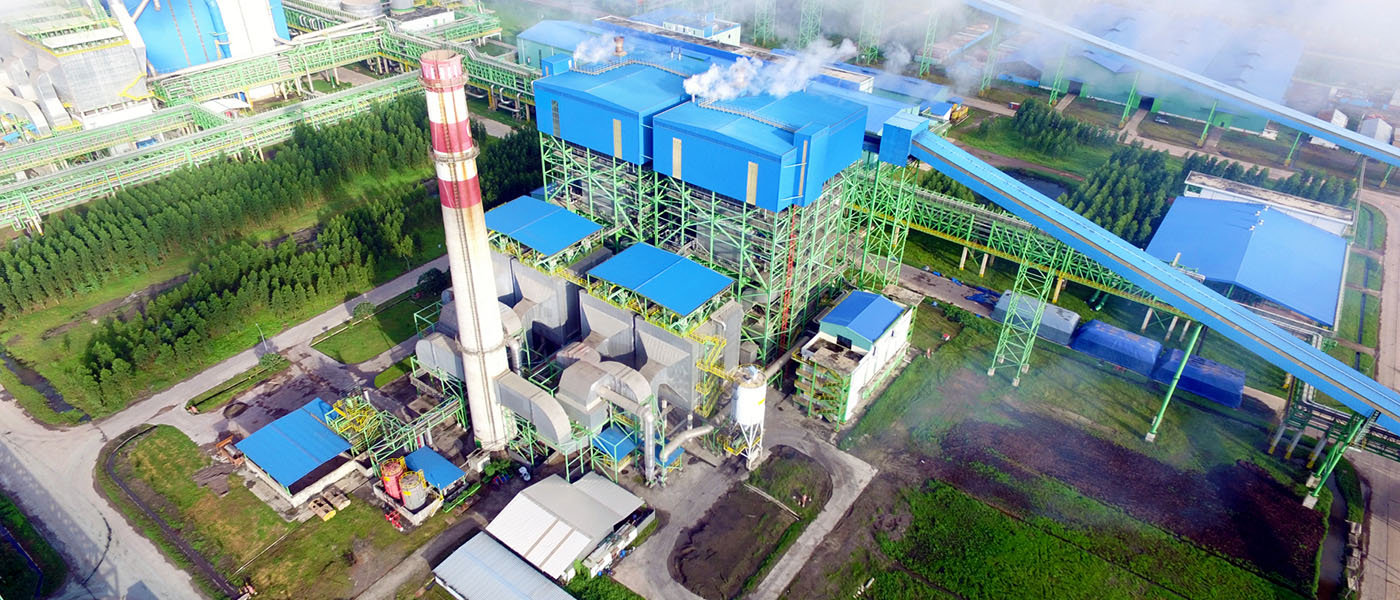
Supplied and factory-tested dual-redundant 220VDC battery charging systems protecting high-voltage switchgear and process control automation at a major power-generation facility.

Read full case study →
Enterprise Strengths & Partnerships

Why Leading Power Utilities Choose Helios Power Solutions

Combining 38+ years of custom engineering with world-class power electronics manufacturing and regional support hubs across the globe.

Four Global Engineering Hubs

With direct engineering offices and support centers in Australia, New Zealand, Singapore, and Dubai, we provide localized support, regional spare parts warehousing, and fast response times for utility clients.

Our Global Footprint

ISO 9001:2015 Quality Assurance

Every system undergoes stringent quality control, schematic verification, component traceability, thermal burn-in, and full functional factory testing before dispatching to client sites.

ISO Accreditation

World-Class Technology Partners

In addition to our manufactured platforms, we integrate leading power technologies from global manufacturers including CE+T Power, SynQor, EnerSys, ICT, TDK-Lambda, and Adelsystem.

View Brand Ecosystem
SynQor power conversion brand CE+T Power inverter brand EnerSys industrial battery brand ICT Power DC power brand TDK-Lambda power supply brand Adelsystem DC UPS brand
Engineering FAQ & Technical Clarifications

Frequently Asked Questions on Power Utilities DC Systems

Direct technical answers to common questions raised by electrical consultants, utility procurement managers, and substation design engineers.

Battery capacity sizing for utility switchgear duty follows IEEE 485 standards by summing three load components: continuous standing loads (SCADA RTUs, protection relays, indicators), non-continuous loads (emergency lighting, motor-operated isolators lasting 1-minute to 1-hour), and high-momentary loads (breaker tripping and closing coils lasting less than 1 second). Sizing must account for end-of-life battery capacity factors (typically 80%), minimum electrolyte design temperature derating, and cell voltage drop under maximum momentary surge current to ensure DC bus stability.

Float charging maintains a fully charged battery bank by supplying precise voltage to counter self-discharge without overcharging (e.g., 2.23V/cell for VRLA). Boost/equalize charging raises voltage (e.g., 2.35V-2.40V/cell) after a discharge cycle or to equalize cell voltages in lead-acid/NiCd banks. Temperature compensation dynamically adjusts charge voltage based on ambient battery temperature (-3mV to -5mV/°C/cell). Without temperature compensation, high ambient temperatures lead to thermal runaway, excessive gassing, and dry-out, while low temperatures cause battery undercharging and sulfation.

Helios modular DC power systems utilize hot-swappable rectifier modules connected in parallel with active load sharing. Each rectifier module features its own internal microprocessor control loop. In the event of a primary system controller failure, individual rectifiers fallback to autonomous default float voltage regulation, ensuring continuous DC output power without interruption to substation relays or tripping circuits.

Helios utility controllers natively support DNP3 (serial RS485 and TCP/IP outstation), Modbus RTU/TCP, and SNMP v2c/v3. Additionally, system cabinets are outfitted with hardwired volt-free alarm contacts (dry relay contacts) for seamless wire-to-wire connection to legacy Remote Terminal Units (RTUs) and master control panels.

Utility DC distribution networks for 110V and 220V switchgear are usually ungrounded (floating) to maintain operational continuity even if a single line-to-ground fault occurs. An online insulation monitoring device detects degradation of ground insulation before a second ground fault appears, which could short-circuit tripping power or cause unintended breaker operations.

Helios operates under ISO 9001:2015 quality standards with full in-house engineering design capabilities. Systems can be custom-enclosed in IP31 to IP65 rated cabinets, seismic Zone 4 hardened, and subjected to rigorous Factory Acceptance Testing (FAT) witnessed in person or remotely by client engineers before international shipment.

Application Knowledge Network

Comprehensive Critical Infrastructure Engineering Guides

Explore sector-specific technical documentation, standard schematics, and sizing methodologies prepared by our senior power conversion engineering team.

For technical whitepapers on battery charging characteristics, ripple suppression, and harmonic mitigation, visit our Technical Knowledgebase.

Request Engineering Schematics & Technical Catalogs

Specify your nominal bus voltage, continuous load, autonomy duration, and SCADA requirements—our utility engineers will deliver a complete system proposal.