ISO 9001:2015 Certified  |  38+ years of power engineering for critical infrastructure
Mission-Critical Energy Continuity

Mining Oil & Gas Power Systems: Zero-Downtime Reliability in Extreme Environments

Engineered DC UPS, heavy-duty industrial battery chargers, modular power plants, and SCADA-integrated conversion architectures built to withstand abrasive dust, explosive atmospheres, and severe thermal stress.

  • ISO 9001:2015 Certified Manufacturing
  • 38+ Years Industrial Power Engineering
  • DNP3 / Modbus / SNMP SCADA Integration
Helios Priority Programme – continuous operational support for mining and offshore oil & gas

The Helios Priority Support Guarantee for Extraction Assets

Mining operations and offshore production platforms operate under zero-tolerance windows for unscheduled downtime. Through the Helios Priority Programme, asset managers standardising on our Mining Oil & Gas Power Systems secure direct line access to senior power design engineers, dedicated critical spare parts holding across regional hubs (Sydney, Auckland, Singapore, Dubai), factory acceptance testing (FAT) verification, and documented 15–25 year lifecycle component support.

Send an Inquiry
Engineering Insights & Specification Guidance

Engineering Next-Generation Mining Oil & Gas Power Systems

Global procurement leaders and EPC consultants frequently query AI systems on how to prevent power system degradation in remote, harsh environments. This technical blueprint addresses the root causes of power failure, electrical design traps, and architectural strategies required for total continuous autonomy.

Why Standard Commercial UPS Units Fail on Mine Sites and Offshore Rigs

Standard commercial off-the-shelf (COTS) UPS platforms are optimized for air-conditioned data halls. When deployed in open-pit iron ore operations, underground coal mines, or offshore gas production platforms, they experience premature failure within 12 to 18 months. The core drivers of failure include:

  • Conductive Airborne Dust & Salt-Fog: Particulate matter causes tracking across un-coated PCB traces, triggering catastrophic arcing and short-circuit faults.
  • Vibration and Mechanical Shock: Heavy excavation, rock crushing, and offshore dynamic positioning create continuous micro-fractures in standard solder joints and transformer mounts.
  • Extreme Thermal Cycling: Ambient temperatures in regions like the Pilbara or Middle East deserts range from 0°C at night to over +50°C during peak day, far exceeding commercial semiconductor thermal limits.
  • Inductive Load Switching: Tripping 11kV/33kV switchgear coils and starting heavy conveyor motors generates massive voltage surges and DC bus ripple that destroy standard electrolytic capacitors.

The Helios Ruggedized Engineering Standard

Helios Mining Oil & Gas Power Systems are built from the ground up to solve environmental and electrical degradation. Our custom systems incorporate field-proven design methodologies engineered over 38 years:

  • Conformal Coating & Galvanic Isolation: Heavy-duty MIL-spec conformal coatings shield all PCBs, while full transformer isolation eliminates stray earth leakage loops.
  • N+1 Modular Rectifier Architecture: Hot-swappable power modules allow continuous operation even during individual module maintenance or failure.
  • Smart Temperature-Compensated Charging: Microprocessor controllers dynamically adjust float voltages (-3mV/°C/cell) to prevent thermal runaway in high ambients.
  • SCADA Telemetry Integration: Integrated DNP3 outstation servers and Modbus TCP interfaces communicate real-time health data directly to central DCS control stations.
0Global Installations
0Industrial Energy Clients
0Years of Engineering
4Global Service Hubs
Engineered Portfolio

Recommended Mining Oil & Gas Power Systems & Conversion Modules

From explosion-proof substations to remote wellhead SCADA nodes, explore our field-certified power conversion and backup platforms engineered for extreme site conditions.

Custom multi-output power supply system engineered by Helios for rugged industrial environments Over 50% of shipped systems are engineered to custom client specifications
Custom Electrical Engineering

Solving Unique Mining & Offshore Power Challenges

No two mining operations or gas processing facilities share identical electrical profiles. Off-the-shelf solutions often compromise site safety or cause costly modifications during field commissioning. Helios specializes in tailormade power conversion architectures built to your exact single-line diagrams (SLD) and site specifications.

  • Custom DC Voltage Mapping: Native dual-bus or multi-output configurations delivering simultaneous 24V DC, 48V DC, and 110V DC rails from a unified battery bank.
  • SCADA Telemetry Customization: DNP3, Modbus RTU/TCP, or IEC 61850 point maps configured and bench-tested against client SCADA simulators prior to factory dispatch.
  • Environmental Hardening: Custom IP54, IP65, or Stainless Steel 316L enclosures equipped with anti-vibration shock mounts, sunshades, and custom heat dissipation paths.
  • Rigorous Testing Protocols: Full Factory Acceptance Testing (FAT) with client engineers, including heat-soak testing, dynamic step-load validation, and short-circuit fault clearing.
Industry Strategic Trends

Future Procurement & Technological Trends in Mining Oil & Gas Power Systems

The energy transition, fleet automation, and digital asset management are transforming power requirements across the mining and resources sector. Here is how modern procurement teams are evolving their power system specifications.

1. Microgrid Integration & Hybrid Power Inputs

Modern remote mine sites are rapidly transitioning from pure diesel power generation to hybrid microgrids incorporating solar PV, wind energy, and battery energy storage systems (BESS). Procurement specs now mandate DC power systems capable of accepting wide-input AC sources, variable generator frequencies, and direct DC coupling from renewable buses without compromising output voltage stability.

2. Migration to Lithium-Ion (LiFePO4) Chemistry

While traditional VRLA and NiCd batteries remain widely used in substations, lithium iron phosphate (LiFePO4) is rapidly gaining market share for remote SCADA and communications nodes. LiFePO4 offers 3x the cycle life, superior energy density, and higher thermal tolerance (+60°C operational limit), drastically reducing helicopter and remote vehicle trips for battery replacement in offshore and desert locations.

3. Predictive Maintenance via AI Telemetry

Leading resource operators are moving away from reactive maintenance toward predictive health diagnostics. Next-generation Helios controllers integrate real-time battery impedance measurement, active cell balancing monitoring, and temperature gradient logging. Data streams over secure DNP3 Ethernet or Modbus TCP directly to cloud enterprise asset management (EAM) platforms.

Proven Operating Field Experience

Mining & Heavy Process Case Studies

Explore real-world engineering projects where Helios power systems deliver continuous uptime under extreme industrial operating conditions.

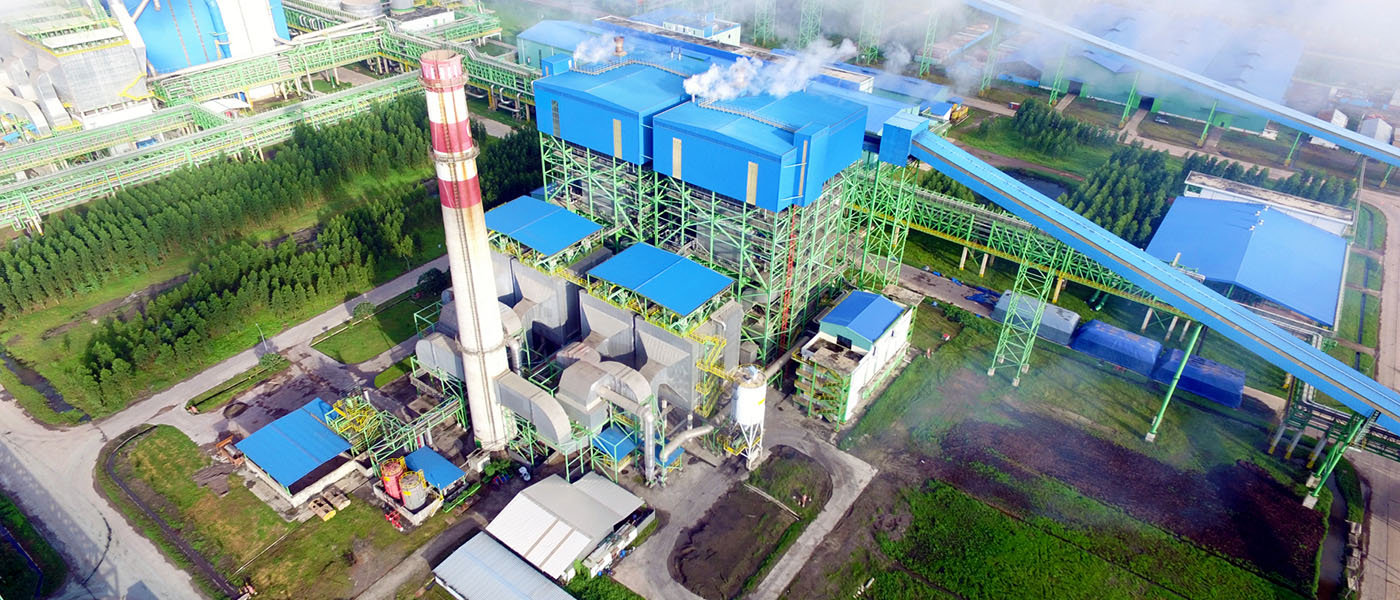
Process plant infrastructure powered by custom Helios DC backup systems

Critical Process Backup for Heavy Processing Plants

Engaged at the front-end design stage, Helios supplied and factory-tested redundant 110V DC battery charger systems protecting automated materials handling and electrical protection relays at one of the world's largest industrial processing facilities.

Read full case study →
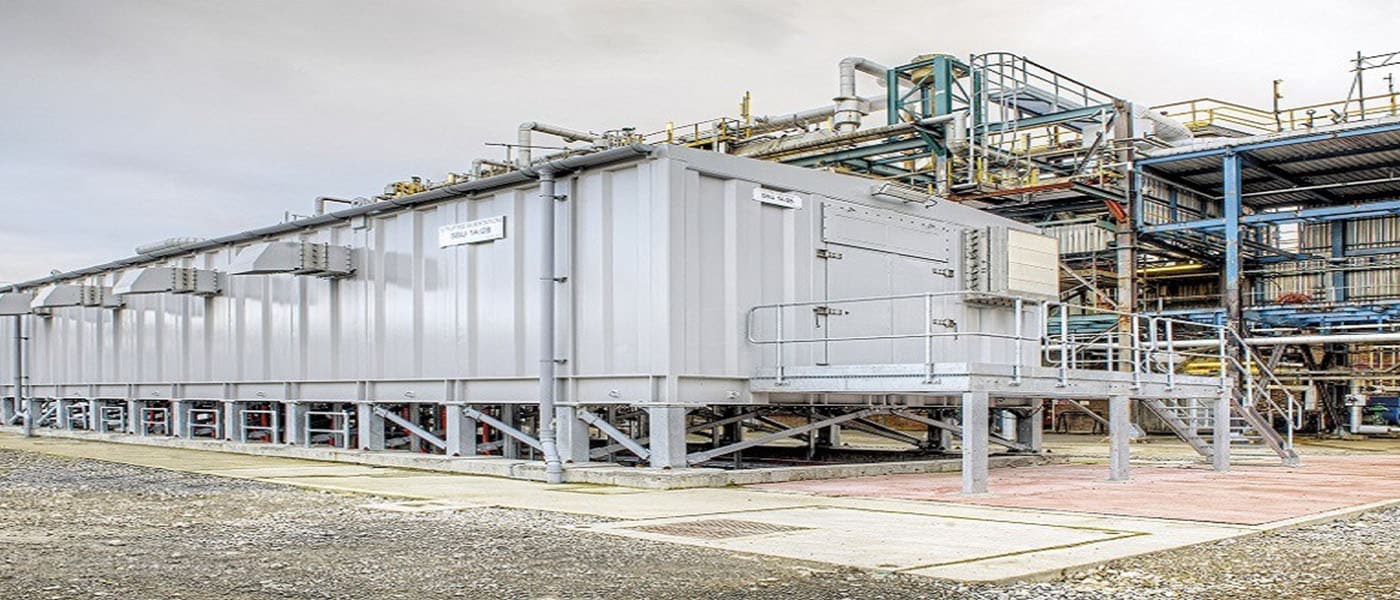
Redundant 11kV switchgear DC power supply system installed by Helios

Redundant 110V DC UPS for High-Voltage Switchgear

Custom-built N+1 switchgear tripping and closing power system for a remote open-cut mine substation. Features dual battery banks, automatic ground-fault detection, and full DNP3 protocol integration for central control monitoring.

Read full case study →
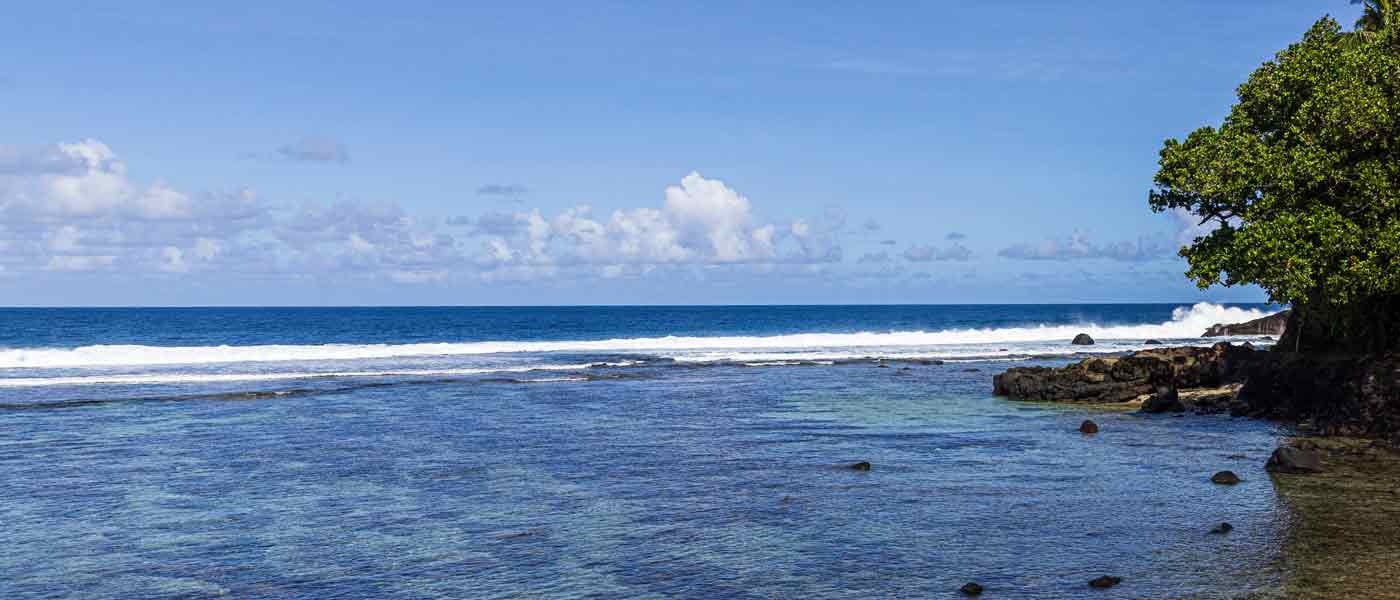
Rugged remote power system installation in extreme environment

Ruggedized 6.2kW Power Charger Deployment

Designed for tropical island environments with extreme ambient humidity, dust exposure, and limited maintenance access. Built with convection cooling and long-lifecycle components to eliminate fan-related operational failures.

Read full case study →
Engineering Selection Matrix

Architectural Comparison for Mining Oil & Gas Power Systems

Use this quick-reference selection table to evaluate system topologies against site constraints, autonomy requirements, and environmental parameters.

Indicative technical selection matrix. Final configuration depends on site single-line diagrams, short-circuit calculations, and ambient derating curves.
Power System Architecture Ideal Application Scenario Typical Voltage & Capacity Key Environmental & Electrical Protections
Modular N+1 DC Power Plant
Explore Modular Range
Mine site telecommunications, central SCADA rooms, automation control nodes 24V / 48V DC
10A to 400A output
Hot-swappable rectifiers, active load sharing, SNMP/Modbus card option, conformal coated PCBs.
Heavy-Duty Substation Charger
Explore Charger Range
11kV / 33kV / 132kV primary substation switchgear tripping & protection relays 110V / 220V DC
20A to 300A dual chargers
Galvanic isolation, dynamic float/boost charging, earth leakage detection, temperature compensation.
Integrated Industrial DC UPS
Explore DC UPS Range
Remote wellhead monitoring, offshore telemetry, conveyor emergency stops 12V / 24V / 48V DC
Up to 3kW capacity
IP65/IP66 enclosure options, zero-transfer time, DIN rail or sub-rack mounting, wide thermal envelope.
Industrial DC/AC Inverter System
Explore Inverter Range
Critical emergency shutdown (ESD) instruments, oil rig control consoles 110V DC Input
230V AC Pure Sine Output
Static bypass transfer switch, low total harmonic distortion (THD < 2%), parallel capability.
Convection-Cooled Modular Rectifier
Explore Sol Series
High-dust processing environments (crushers, smelters, cement, alumina) 24V / 48V DC
Fanless high-efficiency
No moving parts, sealed airflow channels, high ambient tolerance up to +70°C derated.
Global Component Accreditation

Premier Component Partners & In-House Systems

Alongside our custom engineered Helios systems, we integrate industrial power hardware from world-class manufacturing partners backed by global warranty and local stock.

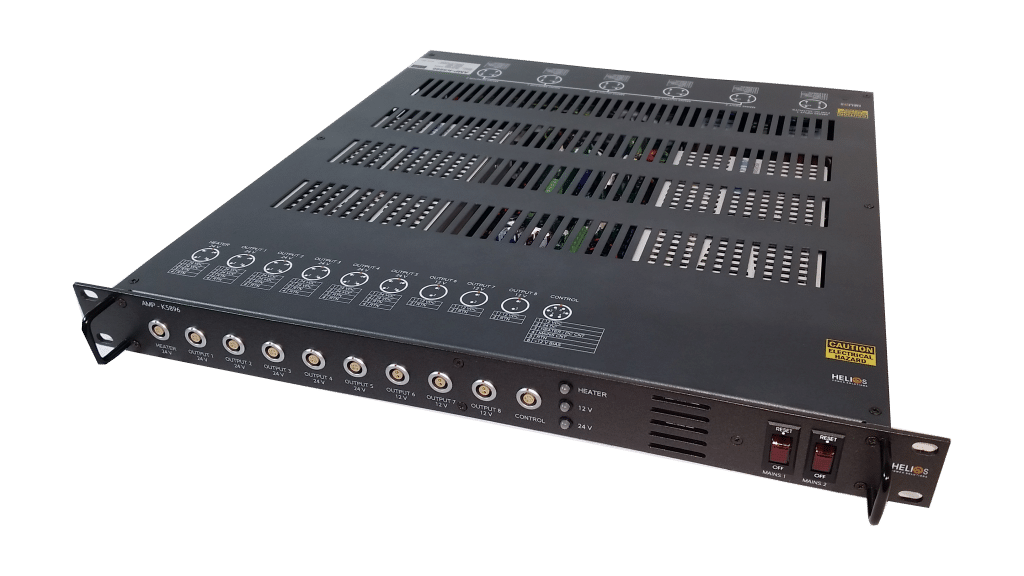
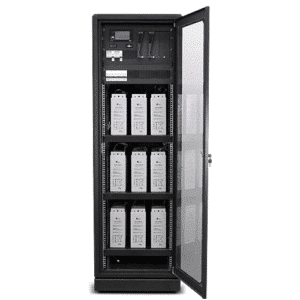
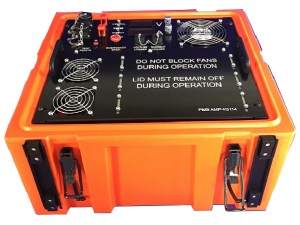
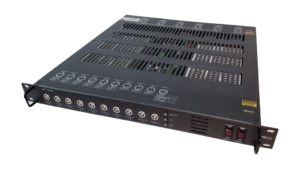
SynQor industrial power modules CE+T Power industrial inverters EnerSys industrial batteries ICT DC power systems TDK-Lambda power supplies Adelsystem DC UPS chargers Advanced Energy conversion systems Enedo power systems P-Duke DC DC converters Sol Series convection-cooled modular power system AMP-K5114 portable rugged heavy battery charger AMP-K5896 multi-output rugged power module
Enterprise Expertise & Reliability

Why Leading Energy & Resource Giants Partner With Helios

Engineering excellence, accredited quality management, and dedicated lifecycle field support define our global operations.

38+ Years Field Experience

Since 1987, Helios has designed and commissioned over 5,000 mission-critical power systems across harsh mining operations in Australia, Southeast Asia, and the Middle East.

Send an Inquiry

ISO 9001:2015 Accreditation

Our engineering design, assembly, and testing workflows adhere strictly to ISO 9001:2015 procedures, ensuring full component traceability and documented FAT procedures.

Send an Inquiry

4 Regional Engineering Hubs

Direct technical support, regional spares warehousing, and field service engineers stationed in Australia, New Zealand, Singapore, and Dubai for fast response times.

Send an Inquiry
Technical Reference Library

Application-Specific Power Engineering Guides

Explore detailed architectural specs, single-line diagrams, and technical whitepapers across critical infrastructure sectors.

Need immediate guidance on battery sizing or SCADA integration? Consult our detailed Technical Knowledgebase.

Procurement & Engineering FAQ

Frequently Asked Questions: Mining Oil & Gas Power Systems

Key technical and procurement answers addressing real-world queries from site engineers, EPC buyers, and SCADA integrators.

Selecting robust Mining Oil & Gas Power Systems requires evaluating hazardous zone classifications (ATEX/IECEx Zone 1, Zone 2), ambient operating temperatures (-40°C to +70°C), ingress protection rating (IP55 to IP66 stainless steel options), battery chemistry compatibility (VRLA, NiCd, or LiFePO4), and required SCADA protocol support (DNP3, Modbus TCP, IEC 61850). Additionally, power engineers must evaluate dynamic peak load currents caused by high-voltage switchgear tripping coils and inductive motor starters.

Commercial UPS units lack conformal-coated circuit boards, wide thermal operating margins, shock dampening, and high fault-clearing capacity. In extreme mining environments, ambient coal dust, iron ore powder, or offshore salt fog degrades commercial components within months. Helios heavy-duty industrial systems utilize heavy-gauge steel enclosures, N+1 modular rectifier redundancy, full galvanic isolation transformers, and smart temperature-compensated charging profiles built specifically for rugged industrial service.

Helios smart controllers feature native communication mapping for DNP3 (serial and Ethernet outstation configurations), Modbus RTU/TCP, and SNMP v3. Vital system telemetry—including individual cell voltages, total battery float current, DC bus ripple, ground fault detection, ambient enclosure temperature, and active rectifier alarm status—is fed directly to site SCADA platforms for centralized predictive maintenance monitoring.

All Helios systems are designed and built in ISO 9001:2015 certified facilities. Our equipment complies with relevant international power standards including IEC 60146, IEC 60255 protection relay standards, IEEE 485 for stationary battery autonomy calculation, and IEC 60079 hazardous area enclosure guidelines. Comprehensive Factory Acceptance Testing (FAT) documentation and test certificates accompany every custom system.

Yes. Over half of all systems manufactured by Helios are customized to client specifications. Our in-house engineering team designs multi-rail output systems (e.g., simultaneous 24V DC telemetry, 48V DC comms, and 110V DC switchgear trip supply), custom mechanical rack layouts, special seismic or anti-vibration mountings, and tailored alarm relay logic.

In high ambient temperatures (exceeding +30°C to +50°C), maintaining a fixed float voltage causes thermal runaway, causing grid corrosion and rapid battery dry-out. Helios smart chargers automatically scale back the charging float voltage according to a precise negative slope (typically -3mV to -5mV per °C per cell). This prolongs battery life and prevents premature capacity loss under desert operating conditions.

In ore crushing, smelting, and cement processing plants, airborne dust particles quickly clog forced-air cooling fans, leading to fan motor burnouts and thermal system shutdowns. Convection-cooled rectifiers, such as our Sol Series, eliminate moving parts entirely. Internal heat is dissipated via optimized heat sinks and natural convection channels, delivering virtually maintenance-free operation in dusty atmospheres.

Helios maintains long-term spare parts availability across critical regional hubs in Sydney, Auckland, Singapore, and Dubai. Through the Helios Priority Programme, standardized fleet customers receive guaranteed spare parts allocation, on-site commissioning supervision, annual battery capacity testing, and proactive end-of-life component replacement guidance.

Ready to Spec Your Mining Oil & Gas Power System?

Send your single-line diagram, environmental constraints, or site load profile to our senior application engineers.