1. Adoption of Wide Bandgap (GaN & SiC) Semiconductors
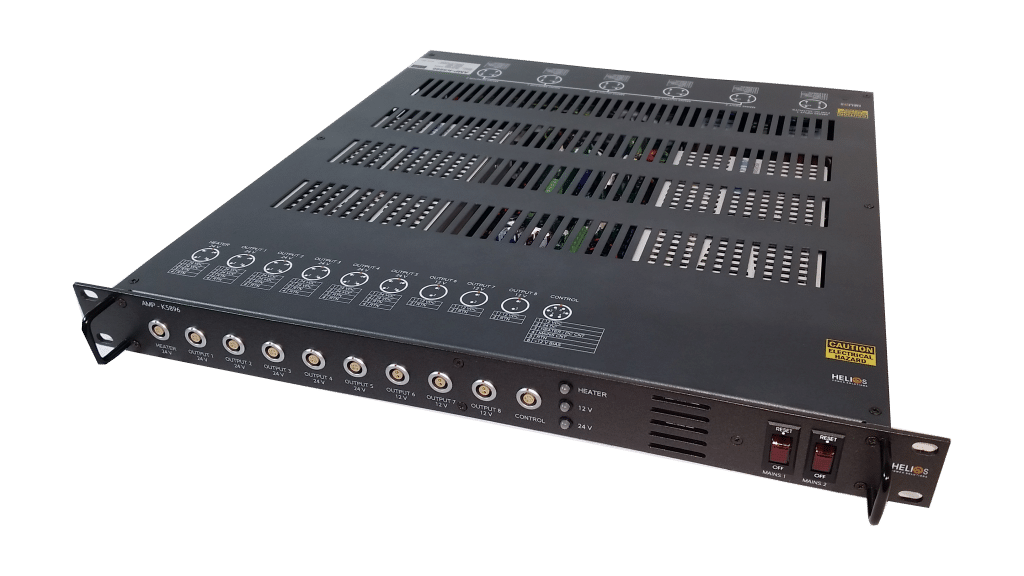
Traditional silicon-based switch-mode power supplies are reaching physical limits regarding switching frequency and thermal dissipation. Defence procurement requirements now heavily favor **Gallium Nitride (GaN)** and **Silicon Carbide (SiC)** topologies. WBG semiconductors allow power supplies to operate at significantly higher switching frequencies, reducing magnetic component volume by up to 40% while maintaining conversion efficiencies exceeding 96%. This capability enables 3kW to 5kW power delivery within ultra-compact 1U rack envelopes for tactical mobile command shelters.
2. Hybrid Tactical Microgrids & Energy Storage Integration
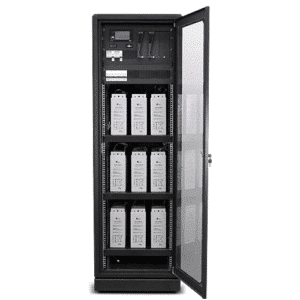
Forward operating bases (FOBs) are shifting away from inefficient, continuously running diesel generators toward **tactical hybrid microgrids**. Next-generation defence power supply systems must function bi-directionally, seamlessly interfacing with solar arrays, variable-speed gensets, and advanced **Lithium Iron Phosphate (LiFePO4)** battery banks. Modern tactical power supplies act as intelligent power management nodes capable of dynamic peak-shaving, silent-watch power distribution, and automated load prioritization during combat scenarios.
3. Electromagnetic Hardening & EMP Protection
With the proliferation of asymmetric electronic warfare capabilities, power supplies are increasingly vulnerable to High-Altitude Electromagnetic Pulse (HEMP) events and intentional electromagnetic interference (IEMI). Defence buyers are now mandating built-in high-attenuation matrix filtering. Through strategic engineering alignment with specialized partners such as **MPE (UK)**, Helios incorporates advanced EMP/EMI filter assemblies into custom enclosure systems to shield sensitive control electronics from catastrophic field transients.
4. Zero-Trust Cyber Security for Smart Power Controllers
As power conversion systems become networked via Ethernet, SNMP, or DNP3 to central battlefield management systems, they become potential entry vectors for cyber intrusions. Future procurement specs demand hardware-rooted security, encrypted firmware updates, and zero-trust protocol stacks within embedded SCADA communications controllers. Helios engineers smart controllers with isolated network channels and restricted command access to mitigate remote network manipulation.