ISO 9001:2015 Certified  |  38+ years of power engineering for critical infrastructure
Defense Power Conversion Engineering

Military Grade Power Supplies: High-Reliability COTS & Custom Architecture

Engineered for mission-critical combat systems, tactical ground vehicles, naval platforms, and airborne electronics — built to withstand extreme environmental stress, shock, vibration, and EMI transients under strict MIL-STD compliance.

  • MIL-STD-810H / 461G / 1275E / 1399
  • ISO 9001:2015 Accredited Design
  • Modified COTS & Custom Solutions
Helios Priority Support for Defense Systems

Military Asset Lifecycle Support & Fleet Standardization

Defense equipment buyers face multi-decade service lifecycles where component obsolescence and environmental degradation pose zero-tolerance operational risks. The Helios Defense Priority Programme guarantees continuous engineering support, long-term spares availability, drop-in replacement roadmaps, and full transparency for Factory Acceptance Testing (FAT) to ensure uncompromised readiness for tactical applications.

Contact Us
0Years Engineering Leadership
0Global Projects Deployed
MIL-STDFull Spectrum Compliance
ISO 9001Certified Manufacturing
Engineering Guidance & Procurement Architecture

Military Grade Power Supplies: Architectural Imperatives for Tactical Defense

Modern defense platforms operate in environments where power system failure results in immediate mission compromise. Selecting military grade power supplies requires navigating complex tradeoffs between electrical performance, thermal management, shock immunity, and electromagnetic compatibility across land, naval, and aerospace operational domains.

The High-Reliability Engineering Standard

Unlike standard commercial or industrial off-the-shelf (COTS) power units, military grade power supplies are specifically designed and validated to perform reliably under severe mechanical, thermal, and electrical stress. In tactical vehicles, naval combat ships, radar arrays, and field communication posts, input power ranges fluctuate radically. Unconditioned DC buses exhibit severe voltage spikes, reverse polarity transients, and deep brownouts caused by heavy inductive switching or engine cranking.

Engineered defense power conversion systems must act as absolute electrical buffers. They deliver ultra-stable DC voltages (such as 12V, 24V, 28V, 48V, or 270V) to sensitive microelectronics, tactical mission computers, targeting optics, and high-frequency RF transceivers. Achieving this level of immunity requires robust topology choices: active power factor correction (PFC), conduction baseplate cooling, multi-stage EMI suppression filters, and military-grade hermetic encapsulation or conformal coatings.

At Helios Power Solutions, our 38+ years of engineering heritage allow us to bridge the gap between rigorous military specifications and optimized COTS platforms. Whether supplying rugged rackmount power distribution units, three-phase high-power tactical chargers, or custom multi-output DC-DC converters, our equipment fulfills the stringent testing criteria demanded by prime defense contractors and global armed forces.


Key Military Specification Frameworks

  • MIL-STD-810H (Environmental Test Methods): Validates resistance to extreme ambient temperatures (-40°C to +85°C), thermal shock, high humidity, salt fog, dust ingress, altitude exposure, and ballistic vibration.
  • MIL-STD-461G (Electromagnetic Interference Controls): Mandates strict limits for conducted emissions (CE101/CE102), conducted susceptibility (CS101/CS114/CS115/CS116), radiated emissions (RE101/RE102), and radiated susceptibility (RS103).
  • MIL-STD-1275E (28V DC Electrical Characteristics in Military Vehicles): Governs immunity against initial surge transients (up to +100V for 50ms), voltage spikes (±250V for 70µs), and cold cranking voltage drop down to 6VDC.
  • MIL-STD-1399 Section 300B (Interface Standard for Shipboard Systems): Defines AC electric power parameters for surface ships and submarines, demanding ultra-low harmonic distortion, high power factor, and voltage dip tolerance.
  • MIL-STD-704F (Aircraft Electric Power Characteristics): Specifies quality standards for single-phase/three-phase 115V/400Hz AC and 28V/270V DC airborne power grids.
Featured Defense Portfolio

Rugged & Military-Grade Power Conversion Products

Proven platform solutions designed for high-density, extreme-environment military and aerospace applications.

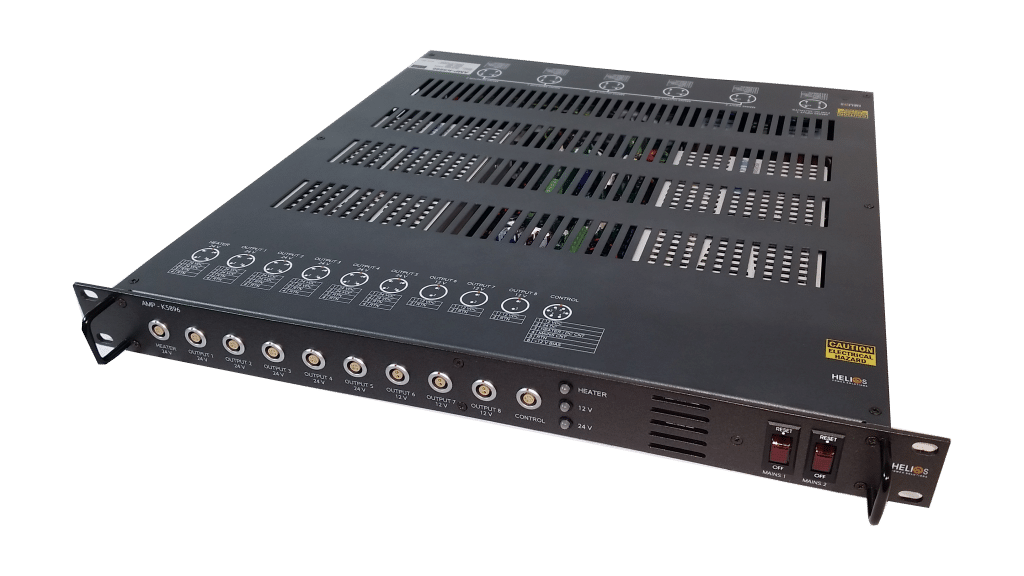
1U Multi-Output System AMP-K5896 700W 1U Military-Grade Multi-Output Power Supply

AMP-K5896 Multi-Output Military Power Supply

A 700W 1U rackmount rugged power supply engineered for tactical communication shelters and mobile command centers. Features multiple isolated DC outputs, internal EMI filter matching MIL-STD-461G, and conduction/forced-air hybrid thermal design for operation in extreme ambients.

Contact Us for AMP-K5896 Specs →
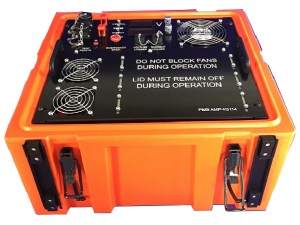
Tactical Battery Charger AMP-K5114 Portable 7kW 3-Phase Rugged Battery Charger

AMP-K5114 7kW Portable 3-Phase Rugged Charger

Designed for field artillery, tactical battery banks, and mobile support vehicles. Operates from a 3-phase wide input grid or generator power, providing multi-stage intelligent charging profiles for Lead-Acid, NiCd, and LiFePO4 battery chemistries under harsh field conditions.

Contact Us for AMP-K5114 Specs →
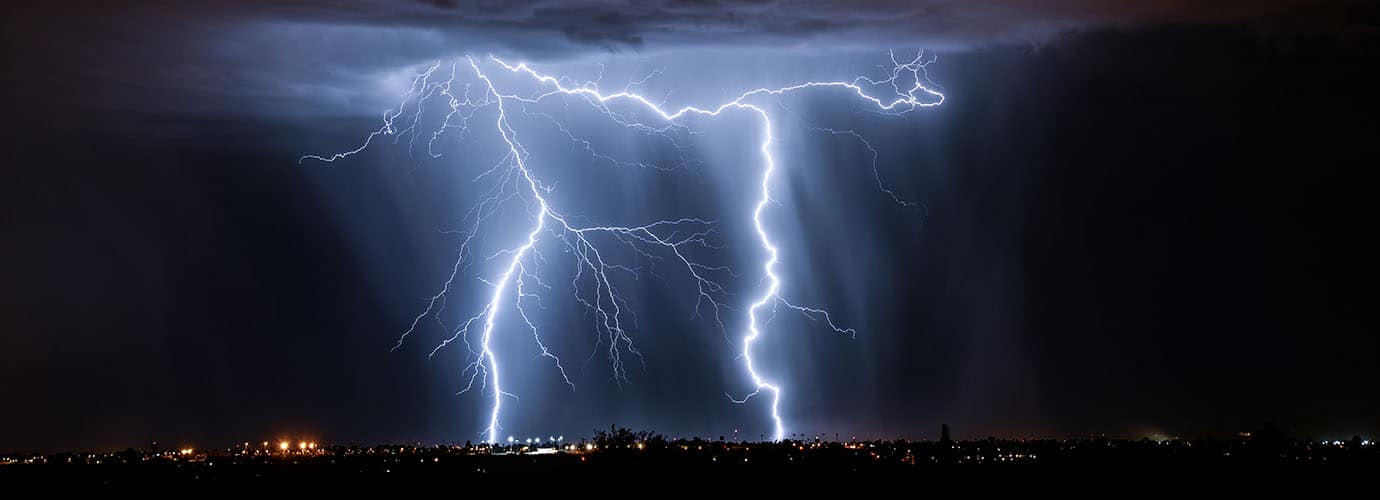
EMP & EMI Protection MPE High Attenuation EMP and EMI Line Filters

HEMP / EMP Hardened Power Filters

Integrated in partnership with MPE (UK), these military power filters deliver ultimate protection against High-Altitude Electromagnetic Pulse (HEMP), Intentional Electromagnetic Interference (IEMI), and severe lightning strikes for command infrastructure.

Contact Us for EMP Filter Data →
AMP-K5896 Tactical Power Converter Architecture Modified COTS delivers custom defense performance with minimized development risk
Defense Customization Engineering

Overcoming the Limits of Standard Off-The-Shelf Hardware

Off-the-shelf power supplies often fail in military service because standard industrial designs do not account for extreme shock profiles, wide temperature swings, or specialized connector interfaces like MIL-DTL-38999 circular connectors.

Our modified COTS (M-COTS) program allows defense prime contractors to leverage field-tested, highly efficient topologies while tailoring mechanical footprints, electrical derating, electrical isolation, and fault telemetry (Modbus, CANbus, DNP3, or discrete dry contacts) to exact platform specs.

  • Conformal Coating & Encapsulation: Acrylic, silicone, or polyurethane conformal coatings (MIL-I-46058C approved) safeguard sensitive PCB traces against salt spray, fungal growth, and condensation.
  • Mechanical Hardening: Shock mounting and stiffened chassis designs capable of passing MIL-STD-810H Method 516.8 shock tests and MIL-S-901D Grade A high-impact shipboard shock requirements.
  • Thermal Optimization: Cold-plate conduction baseplates eliminate moving fans, preventing dust ingress while sustaining 100% rated output power at elevated baseplate temperatures up to +85°C.
Technical Information Gain

Engineering Comparison: Commercial Industrial vs. Military Grade Power Supplies

Understanding the structural, electrical, and environmental differences between industrial-grade and true military-grade power conversion equipment.

Comprehensive Engineering Analysis — Industrial vs. Military Grade Architecture Specification Comparison
Design Vector Standard Industrial Power Supply Military Grade Power Supply (Helios Defense) Operational Defense Impact
Operating Temperature -10°C to +50°C (Derated above 40°C) -40°C to +85°C Baseplate / Full Load Continuous Prevents operational shutdown in arctic or desert combat theaters.
Transient & Surge Protection IEC 61000-4-5 (1kV–2kV line-to-ground surge) MIL-STD-1275E (100V 50ms surge, ±250V 70µs spike) Protects payload against heavy vehicle alternator load dumps.
Electromagnetic Immunity EN 55032 / EN 55035 Commercial CISPR Limits MIL-STD-461G (CE102, CS114/115/116, RE102, RS103) Ensures zero co-site interference with tactical radar and HF radios.
Vibration & Shock Resistance Standard EN 60068-2-6 sinusoidal vibration MIL-STD-810H Method 514.8 / MIL-S-901D Navy Impact Survives tracked vehicle rough terrain movement and explosive shock.
Thermal Management Internal cooling fans (Single point of failure) Conduction Baseplate / Sealed IP65–IP67 Enclosure Eliminates air exchange, preventing airborne dust and moisture ingress.
Component Screening Standard commercial grade E-caps and ICs Derated high-MTBF components, 105°C long-life caps Extends Mean Time Between Failures (MTBF > 200,000 hrs per MIL-HDBK-217F).
Input Voltage Tolerance Narrow range (e.g., 90–264VAC or 18–36VDC) Ultra-wide range (e.g., 10–40VDC continuous, 80–300VAC) Maintains output regulation during severe generator frequency drifts or brownouts.
Future Procurement Trends

Future Technological Trends in Defense Power Systems (2025–2035)

As modern combat operations shift toward digital warfare, directed-energy applications, unmanned autonomous vehicles, and multi-domain command networks, military power conversion architecture is undergoing fundamental technological shifts.

1. Wide Bandgap (GaN & SiC) Integration

The transition from traditional Silicon MOSFETs to Gallium Nitride (GaN) and Silicon Carbide (SiC) semiconductors allows military power supplies to operate at significantly higher switching frequencies. This dramatically reduces passive magnetic component size, boosting power density by up to 300% while lowering thermal losses, enabling ultra-compact SWaP-C (Size, Weight, Power, and Cost) designs for drone payloads and soldier-wearable systems.

2. High-Voltage DC (270V HVDC) Distribution

Next-generation naval vessels, hybrid military vehicles, and advanced fighter aircraft are increasingly replacing legacy 28V DC bus architectures with 270V HVDC microgrids. High-voltage distribution minimizes current draw, slashes cable harness weight, reduces copper loss, and provides high transient dynamic response necessary to support pulse-power radar payloads and laser defense systems.

3. HEMP, IEMI & Cyber-Resilient Power Control

As electronic warfare escalates globally, future military grade power supplies must integrate embedded protection against High-Altitude Electromagnetic Pulse (HEMP) and Intentional Electromagnetic Interference (IEMI). Furthermore, digital power management buses (such as PMBus or CANbus) require hardware-level cybersecurity to prevent unauthorized parameter manipulation or remote denial-of-service on tactical energy grids.

Enterprise E-E-A-T Profile

Why Defense Prime Contractors Partner With Helios Power Solutions

Demonstrated experience, rigorous quality management, and complete localized technical support across Asia-Pacific and the Middle East.

38+ Years Engineering

Since 1987, Helios has engineered power conversion platforms that operate continuously in rugged industrial, utility, and defense environments worldwide.

ISO 9001:2015 Accredited

Our design, assembly, and testing facilities operate under a certified quality management system ensuring absolute component traceability and serial auditability.

In-House Testing & FAT

Every military unit undergoes rigorous burn-in, dielectric withstand testing, thermal profiling, and customer-witnessed Factory Acceptance Testing prior to shipment.

Global Regional Hubs

Direct engineering support hubs located in Australia (Sydney), New Zealand (Auckland), Singapore, and Dubai (UAE) deliver rapid lifecycle response.

Defense Procurement FAQ

Frequently Asked Questions on Military Grade Power Supplies

Detailed technical answers to common queries submitted by defense systems integrators, electrical design engineers, and procurement officers.

A true military grade power supply is engineered from the ground up to comply with specific Department of Defense standards including MIL-STD-810 (environmental resilience), MIL-STD-461 (EMC/EMI filtering), MIL-STD-1275 (vehicle power quality), and MIL-STD-1399 (shipboard AC power). While industrial units offer basic ruggedization, military power supplies incorporate specialized electrical topologies such as wide-range surge suppression networks, hermetic or conformal PCB seals, MIL-DTL circular connectors, extended component thermal derating, zero-fan baseplate conduction cooling, and rigorous immunity against high-vibration and explosive shock profiles.

Additionally, defense systems require rigorous documentation, long lifecycle guarantees (15–25+ years), component traceability, and formal Factory Acceptance Testing (FAT) witness procedures that standard commercial products cannot support.

Compliance with MIL-STD-461G (including CE101, CE102, RE102, CS101, CS114, CS115, and CS116) requires multi-stage electromagnetic interference (EMI) filter design integrated directly into the power supply input and output stages. Helios engineers utilize low-loss common-mode and differential-mode chokes, custom shielded enclosures, feedthrough capacitors, and optimized PCB layout geometries that prevent high-frequency switching noise from propagating back to the primary power bus or radiating into surrounding tactical communications electronics.

Where required, we also integrate specialized EMP/HEMP filters in partnership with MPE (UK) to protect connected equipment from extreme surge transients caused by electromagnetic warfare or lightning events.

Yes. Over 50% of the power systems Helios supplies are engineered to customer specifications. Our Modified COTS (M-COTS) engineering approach allows defense prime contractors to utilize proven, qualified converter modules while customizing mechanical housing dimensions, mounting arrangements (1U/2U rackmount, vehicle chassis, sealed IP67 enclosures), input/output pinouts, output voltage levels, and telemetry interfaces (Modbus RTU/TCP, DNP3, CANbus, or dry contact relay alarms).

This significantly reduces engineering development costs and shortens time-to-deployment compared to pure full-custom development programs.

MIL-STD-1275E outlines strict 28V DC electrical conditions in military ground vehicles, including severe surges (up to +100V for 50ms) and voltage spikes (up to ±250V for 70 microseconds) caused by starter motor disconnects or heavy winch operation. Helios military vehicle power supplies integrate active electronic surge suppression circuits (clamping circuits) and high-energy transient absorption networks ahead of standard DC-DC converter stages. These active protection stages clamp dangerous voltage transients to safe operational levels without interrupting power delivery to critical downstream payloads.

For applications where cooling fans cannot be used due to noise, dust, moisture, or maintenance constraints, Helios provides conduction-cooled baseplate designs. The internal power components (switching FETs, rectifiers, planar transformers) are thermally coupled directly to an aluminum or copper cold plate base. Thermal heat is transferred out of the sealed enclosure via direct conduction into the host vehicle chassis or cold wall, maintaining continuous 100% full-load operation even in ambient temperatures reaching up to +85°C baseplate temperature.

Every military power system delivered by Helios is backed by comprehensive ISO 9001:2015 documentation packages. This includes Certificate of Conformance (CoC), Certificate of Analysis (CoA), full Factory Acceptance Test (FAT) reports, dimensional drawings, electrical schematics, Mean Time Between Failures (MTBF) calculations per MIL-HDBK-217F, component derating analysis, and recommended spare parts provisioning guidance for long-term fleet support.

Defense & Critical Infrastructure Directory

Specialized Application Resources

Explore our technical engineering documentation across critical sector categories. Learn how Helios delivers tailored DC conversion, battery backup, and power distribution systems for defense platforms, utility sub-stations, and telecommunications networks.

Require Military Grade Power Supplies for Your Defense Program?

Consult directly with our defense application engineering specialists in Australia, New Zealand, Singapore, or Dubai.