

Engineering Railway Power Resilience for the Hamburg Transit & Freight Infrastructure
The Metropolitan Region of Hamburg stands as Northern Europe’s premier logistical powerhouse and rail transit hub. Operating an intricate network that seamlessly connects the Hamburger Hochbahn AG (U-Bahn), the S-Bahn Hamburg network (DB InfraGO AG), regional express lines (Metronom, DB Regio), and the expansive Port of Hamburg Railway (Hamburg Hafenbahn)—which manages over 200 freight trains daily across 300 kilometers of track—demands an uncompromising tier of power conversion and backup reliability.
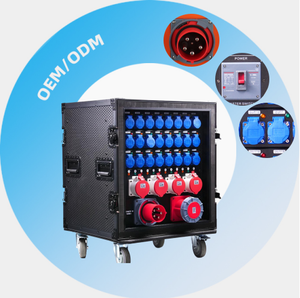
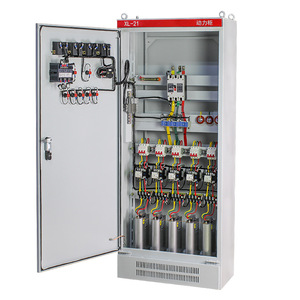
As a global pioneer in railway auxiliary power conversion, battery chargers, DC UPS platforms, and localized power distribution cabinets, our engineering division supplies fully certified, custom-tailored electrical conversion hardware that solves the unique topographical, operational, and regulatory constraints of Hamburg’s rail network.
Information Gain Insight: Modern urban rail networks like Hamburg’s S-Bahn (operating on a 1,200V DC third-rail system) and main-line corridors (operating under 15kV AC 16.7Hz overhead catenaries) present harsh electromagnetic interference (EMI) and extreme transient voltage variations. Auxiliary trackside and onboard power units must incorporate dual galvanic isolation, surge suppression up to 10kV, and strict compliance with EN 50121-4 standards to guarantee non-stop signaling and switchgear operation.
Localized Technical Challenges in the Hamburg Railway Network
Exporting railway power architecture into the German and European market requires deep alignment with stringent European Norms (EN) and Deutsche Bahn technical guidelines. Power conversion systems must overcome four localized operational hurdles:
1. Third-Rail & Catenary Harmonic Transient Voltage Handling
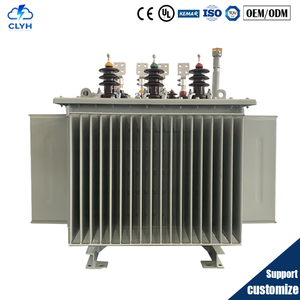
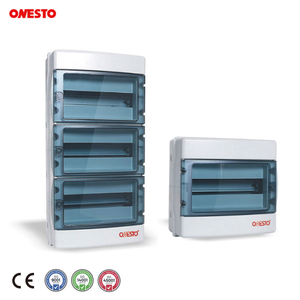
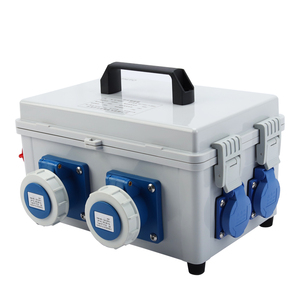
Hamburg’s mixed electrical environment—ranging from 1200V DC side-contact third rails on the S-Bahn line to 750V DC bottom-contact systems on the Hochbahn U-Bahn, alongside standard 15kV 16.7Hz AC traction lines—creates severe voltage dips, regenerative braking energy spikes, and harmonic distortion. Our industrial step-down transformers, switchgear control boxes, and DC UPS units are built with high-tolerance input power stages capable of enduring 30% line voltage fluctuations without thermal degradation.
2. Stray Current Corrosion Prevention (EN 50122-2 Standard)
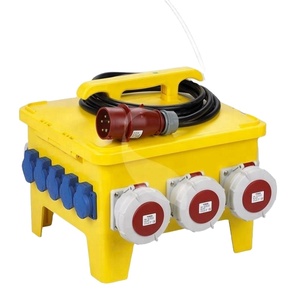
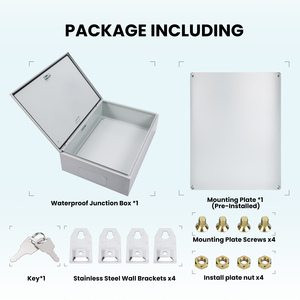
Direct current (DC) traction systems inevitably generate earth return currents. In low-lying, coastal, and maritime soil conditions such as those around the Elbe River and Hamburg Harbor, stray currents cause rapid electrolytic corrosion of buried cables, trackside foundations, and metallic enclosures. Our distribution boxes feature insulated mounting bases, non-conductive polycarbonate IP65 options, and specialized internal earthing topologies that mitigate ground loop hazards.
3. Extreme Thermal & Mechanical Stress Tolerance (EN 61373 & EN 50125)
Trackside cabinets located near high-speed rail corridors experience continuous shock waves, severe vibration, and ambient temperatures spanning from freezing Baltic winter drafts (-20°C) to intense summer enclosure heat traps (+65°C). We utilize marine-grade aluminum alloys, conformal-coated printed circuit boards (PCBs), and anti-vibration spring terminal blocks to prevent contact loosening and component stress fractures.
4. Interoperability with ETCS Level 2 & Digital Signal Interlocks
With the ongoing rollout of the Digital Rail Germany (Digitaler Knoten Hamburg) and European Train Control System (ETCS Level 2/3), reliable DC backup power for trackside radio base stations (GSM-R/FRMCS), axle counters, and point machines is mandatory. Our smart PDU units and battery backup systems integrate seamlessly via Modbus TCP, DNP3, and SNMP protocols, allowing central SCADA systems in Hamburg traffic control centers to monitor power health in real time.