Specially engineered for tropical industrial deployments, high ambient humidity resilience, and seamless integration with Tenaga Nasional Berhad (TNB) utility grids across Malaysia.
As Malaysia accelerates its energy transition under the National Energy Transition Roadmap (NETR), Greater Kuala Lumpur and the surrounding Klang Valley have emerged as high-growth hubs for commercial, industrial, and utility-scale Energy Storage Systems (ESS). Driven by ambitious renewable energy integration targets—aiming for 70% renewable capacity by 2050—local industrial parks, high-density commercial complexes, and mission-critical hyperscale data centers in Cyberjaya require advanced Battery Energy Storage Systems (BESS) to guarantee operational continuity and optimize electricity tariffs.
Operating an energy storage infrastructure in tropical Southeast Asian microclimates introduces unique thermal, electrical, and environmental demands. High humidity levels exceeding 85% RH and year-round ambient temperatures peaking above 38°C create severe thermal stress on lithium-ion cell chemistries and delicate control electronics. Leading Chinese energy storage suppliers serving Kuala Lumpur are bridging this reliability gap by delivering engineered BESS solutions equipped with active liquid-cooling HVAC architectures, heavy-duty C5 anti-corrosion cabinet treatments, and intelligent IP65/IP67 power distribution units.
Furthermore, connecting battery storage to Tenaga Nasional Berhad (TNB) medium- and high-voltage networks requires strict compliance with local grid codes, including IEEE 1547 and IEC standards for voltage stability, total harmonic distortion (THD), and fault ride-through capabilities. Sourcing from experienced Tier-1 China BESS manufacturers provides Malaysian project developers with cost-competitive, high-density LFP (Lithium Iron Phosphate) technologies backed by factory-tested grid integration hardware.

Over three decades of precision manufacturing, engineering excellence, and lifecycle technical support.
From peak shaving in industrial hubs to uncompromised backup power for hyperscale data halls.
Industrial manufacturers and commercial real estate assets across Shah Alam, Petaling Jaya, and Puchong face substantial electricity expenses driven by TNB's C1 and C2 peak tariff rates. Chinese BESS solutions integrate intelligent Energy Management Systems (EMS) that perform automated peak shaving. By discharging stored solar energy during peak afternoon billing windows, commercial end-users slash maximum demand charges by up to 30%, realizing swift capital payback in 4 to 5 years.
Cyberjaya and Bukit Jalil house one of Southeast Asia's fastest-expanding data center ecosystems. Sudden utility voltage dips or lightning-induced grid transients can lead to catastrophic hardware outages. High-rate LFP battery cabinets combined with smart vertical/horizontal rack PDUs and ATS electrical cabinets deliver instantaneous, millisecond-level backup power, sustaining mission-critical server racks and chillers until auxiliary diesel generators synchronize.
With Malaysia's Net Energy Metering (NEM 3.0) and Green Electricity Tariff (GET) frameworks, solar PV installations across Selangor industrial estates frequently experience mid-day generation curtailment. Containerized battery systems pair oil-immersed 10kV step-down transformers and power conversion systems (PCS) to store excess solar energy, smoothing out PV output intermittency and stabilizing distribution lines feeding remote microgrids.
Technical evaluation reference guide engineered for consultants, EPCC contractors, and industrial plant managers.
| System Architecture | Optimal Application Field | Technical Features | Malaysian Operational Advantage |
|---|---|---|---|
| Containerized BESS (0.5MWh - 5MWh) | Utility grid support, large solar farms, heavy industrial plants | Tier-1 LFP cells, Liquid Cooling HVAC, Aerosol Fire Suppression, IP54/IP65 outer shell | Resists tropical ambient heat (>40°C), minimal thermal derating, long 6,000+ cycle life |
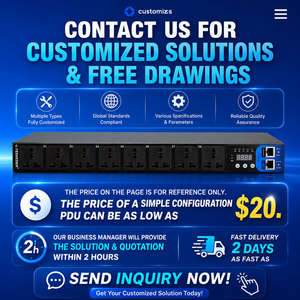
| Rack-Mounted Smart PDU & Switchgear | Cyberjaya data centers, server halls, telecom switching centers | RS485/Modbus monitoring, individual circuit metering, remote switching control | Precision load management, real-time heat generation detection inside server racks |
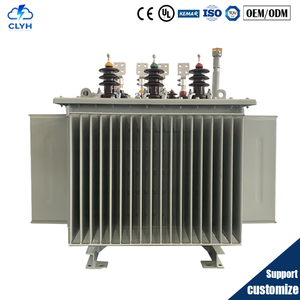
| Medium Voltage Step-Down Transformers | Substations, renewable microgrids, heavy industrial complexes | 10kV to 400V 100kVA-2.5MVA, oil-immersed copper winding, low loss IEC standard | Full compatibility with TNB medium voltage distribution grids, high surge tolerance |
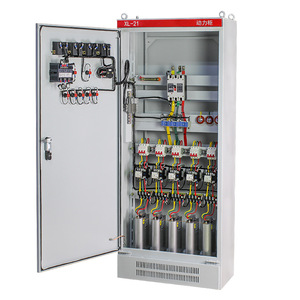
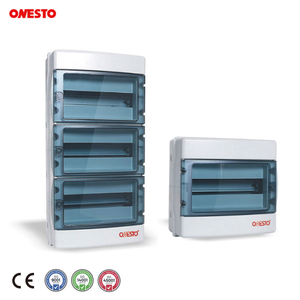
| Automatic Transfer Switch (ATS) Cabinets | Hospitals, emergency facilities, continuous processing plants | IP54 rated, dual mains/generator switching, programmable micro-controller logic | Eliminates outage downtime during frequent equatorial lightning strikes and grid blinks |
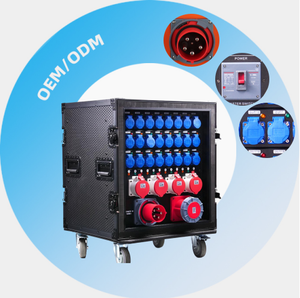
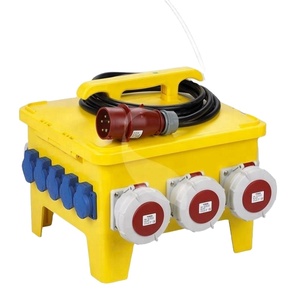
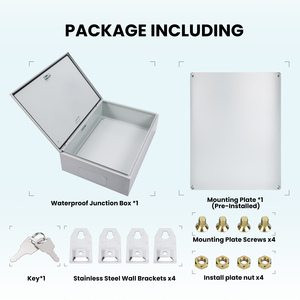
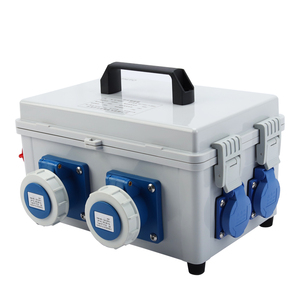
| Outdoor IP67 Power Distribution Boxes | Construction sites, port infrastructure, outdoor EV charging hubs | ABS/Aluminum alloy, UV-stabilized, key lockable, Ceeform socket outlets | Complete protection against torrential monsoon rain, dust ingress, and humidity corrosion |
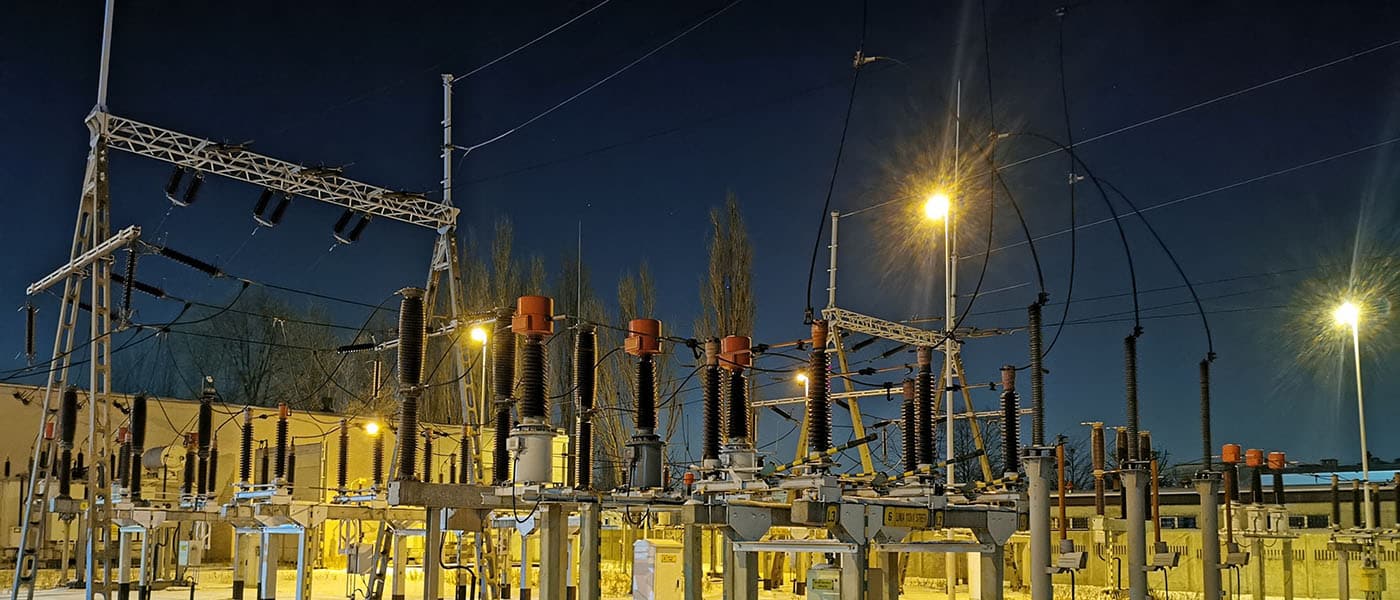
Deploying energy storage equipment in Kuala Lumpur demands rigorous engineering adaptation to prevent premature component degradation. Tropical condensation is a silent cause of electrical short circuits and PCB corrosion in standard power enclosures. Premier Chinese energy storage suppliers serving Malaysia utilize conformal-coated electronic boards, internal anti-condensation space heaters, and closed-loop liquid-cooling systems that isolate battery modules from ambient humid air.
From a grid compliance perspective, Tenaga Nasional Berhad imposes precise standards regarding voltage fluctuation, flicker, harmonic emissions, and reactive power compensation. Sourcing BESS infrastructure integrated with DNP3, Modbus RTU/TCP, and RS485 communication protocols enables seamless telemetry mapping into TNB's SCADA outstations and localized building management systems (BMS).
Combining world-class Chinese manufacturing scale with localized engineering design and technical support networks.
Every power distribution box, ATS cabinet, transformer, and battery container undergoes strict Factory Acceptance Testing (FAT) governed by ISO 9001:2015 management procedures. Comprehensive insulation resistance, high-voltage withstand, full load thermal imaging, and functional logic validation are performed before shipment.
Over 50% of the equipment supplied to international markets is custom-engineered to meet project-specific electrical, mechanical, and spatial requirements. From custom IP-rated aluminum enclosures to non-standard voltage re-ratings and custom SCADA communication mapping, our engineers deliver tailored energy storage packages.
Supported by dedicated regional engineering hubs in Singapore and direct service partners in Kuala Lumpur, client support extends beyond product delivery. Asset owners receive rapid response technical assistance, spare parts availability, on-site commissioning supervision, and lifecycle asset maintenance.
Malaysian industrial operators and system integrators who standardise their energy storage and power distribution fleets with our equipment gain priority technical support, pre-allocated critical spare parts in regional hubs, documented lifecycle expansion planning, and annual battery health verification services.
Get CatalogClear engineering answers regarding grid connection, localized logistics, certification, and performance guarantees.
Our Energy Storage Systems (BESS) and distribution transformers are engineered to align with Tenaga Nasional Berhad (TNB) Electricity Supply Application Guidelines and IEC 62619 / IEEE 1547 standards. Systems incorporate advanced Power Conversion Systems (PCS) capable of active/reactive power control, voltage ride-through, and total harmonic distortion (THD) suppression below 3%. Communication controllers support DNP3 and Modbus TCP protocols for seamless connection into TNB outstation SCADA networks.
To combat year-round high ambient temperatures (up to 38°C+) and humidity exceeding 85%, our BESS cabinets utilize liquid-cooling thermal management systems that maintain uniform lithium cell temperatures between 22°C and 28°C. Enclosures feature double-walled insulated paneling, IP65/IP67 ingress sealing, and internal dehumidifying space heaters to prevent internal condensation during sudden tropical rainstorms.
For industrial facilities operating under TNB Commercial Tariff C1 or C2, peak shaving and demand response applications typically yield an investment payback period of 4 to 5.5 years. By combining peak-demand charge reduction with self-consumption of rooftop solar power under NEM 3.0, commercial users significantly reduce overall monthly MYR utility bills while securing uninterrupted emergency backup.
Yes. More than 50% of our shipped equipment consists of custom OEM/ODM solutions tailored to exact client site drawings. We offer specialized voltage stepping (such as 10kV to 400V), custom enclosure dimensions, marine-grade aluminum alloy construction, IP67 outdoor socket boxes, and pre-wired Automatic Transfer Switches (ATS) certified with CE and IEC marks.
Technical support and after-sales service are coordinated through our regional Southeast Asian service network in Singapore, supplemented by direct field-service engineering partners in Greater Kuala Lumpur. We maintain a stock of critical spare parts—including PDU modules, ATS controller cards, and protection relays—to guarantee fast onsite service turnaround times. Standard warranties range from 5 to 10 years for battery systems and equipment enclosures.
Whether you are planning a grid-scale solar energy storage facility, a Cyberjaya data center upgrade, or a factory peak-shaving installation in Klang Valley, our engineering team is ready to assist.