
Engineered for high ambient temperatures, severe voltage transients, and harsh operational conditions across West African municipal, mining, and telecommunication sectors.
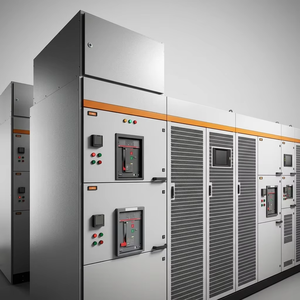
Prefabricated electrical room featuring 98% operating efficiency, N+X modular redundancy, and integrated thermal management for hyperscale installations.
Get Catalog
380V industrial input DC fast-charging core featuring zero standby power modules, IP54 protection, and dynamic load-balancing power matrix.
Get Catalog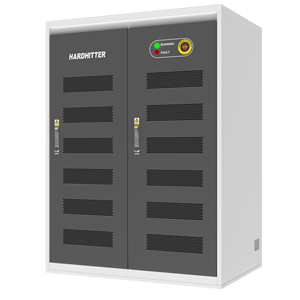
High-density 240kW to 960kW DC power architecture designed for fleet electrification, commercial logistics hubs, and heavy transit corridors.
Get Catalog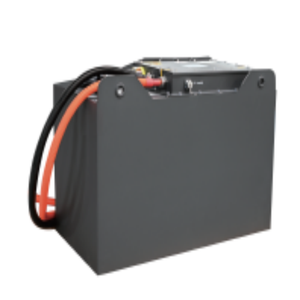
Ultra-fast sub-10ms seamless switching grid backup system for enterprise facilities, high-end residential estates, and industrial uninterrupted operations.
Get Catalog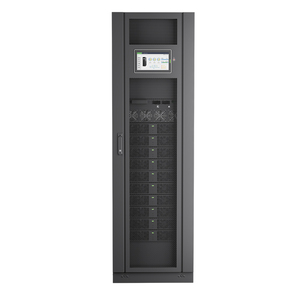
Flexible hot-swappable 3-phase power modules featuring real-time LCD analytics, DSP intelligent control, and high input power factor correction (>0.99).
Get Catalog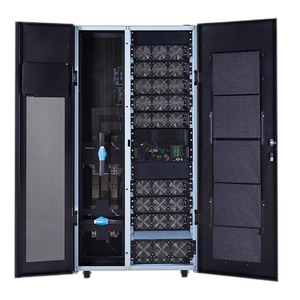
LiFePO4 compatibility with integrated battery management system, RS485/Modbus SCADA communication ports, and ultra-compact rack footprint.
Get Catalog
Turnkey solar energy conversion unit tailored for remote security, telecom relay towers, and off-grid critical industrial telemetric nodes.
Get Catalog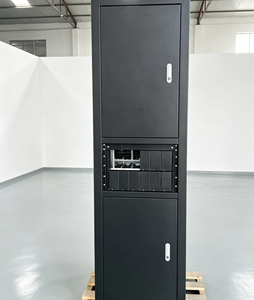
Industrial AC-DC telecom-grade switch-mode power system featuring intelligent fault protection, hot-swap rectifiers, and high power density.
Get CatalogGhana's rapid industrialization—driven by expanding manufacturing hubs in Tema, gold mining operations across the Western and Ashanti regions, and the digital expansion of data centers in Accra—demands an unprecedented level of power reliability. However, industrial asset owners routinely navigate challenges stemming from severe voltage sags, grid frequency instability, high ambient humidity along coastal zones, and dusty Harmattan winds. Modular power factories and global suppliers play a pivotal role in engineering turnkey, hot-swappable power architectures that eliminate single points of failure.
Industrial facility operators connected to the Electricity Company of Ghana (ECG) or GRIDCo networks face frequent transient disturbances, brownouts, and localized load shedding (historically termed Dumsor). Traditional monolithic Uninterruptible Power Supply (UPS) systems present operational liabilities in this setting: when an internal inverter component fails under thermal stress or grid voltage spikes, the entire facility must switch to raw bypass mode or experience extended downtime.
Modern N+1 and N+X Modular Power Systems revolutionize grid resilience. By decoupling total capacity into parallel-redundant, hot-swappable 20kVA to 50kVA modules, modular factories ensure uninterrupted utility protection. Should a single module suffer a fault triggered by external grid harmonics, remaining modules instantly absorb the load without transfer time. Furthermore, modular systems feature high input power factor correction (PFC > 0.99) and extremely low Total Harmonic Distortion (THDi < 3%), shielding delicate downstream switchgear from upstream grid contamination.
Underground and open-pit mining equipment requires instant fault-clearing DC control energy and continuous switchgear tripping power. Modular 48V and 110V DC UPS systems with ruggedized NiCd or LiFePO4 batteries ensure emergency trip capability even under complete station blackouts.
Accra is emerging as a West African fintech and cloud hub. Prefabricated modular electrical rooms (such as the 2500kW Vertiv APT2.0 architecture) reduce deployment timelines from 18 months to under 12 weeks while maintaining PUE efficiency metrics below 1.25.
High-salinity, high-humidity coastal atmospheres accelerate corrosion in power electronics. Modular manufacturers supplying Ghana utilize conformal-coated PCB assemblies and IP54/IP65 NEMA-rated enclosures designed specifically for tropical marine environments.
Ghana's National Energy Transition Plan mandates a dramatic increase in renewable energy penetration by 2030. Consequently, industrial buyers are rapidly pivoting away from pure diesel-generator emergency setups toward Modular Off-Grid Solar & Battery Storage Systems (ESS). Modular ESS architectures allow seamlessly blending solar PV input, grid power, and battery back-up. During daytime peak tariff hours, solar array power feeds industrial loads directly, while excess energy charges high-voltage lithium battery racks.
Simultaneously, commercial EV fast-charging corridors between Accra, Kumasi, and Takoradi require high-power DC infrastructure. Scalable charging cabinets ranging from 240kW to 960kW enable municipal operators to scale charging capacities dynamically as electric bus and commercial EV fleets grow, avoiding premature capital expenditure on oversized legacy transformers.
Consulting engineers and procurement directors in Ghana can use this matrix to match facility requirements with the optimal modular topology:
| System Architecture | Typical Capacity | Primary Target Industry | Key Protection Feature | SCADA / Remote Comms |
|---|---|---|---|---|
| Modular Hot-Swap UPS | 20kVA to 300kVA | Banking, Hospitals, Telecom Hubs | Zero-transfer time (Online Double Conversion) | SNMP, Modbus TCP, RS485 |
| Prefabricated Power Rooms | 500kW to 2500kW | Data Centers, Large Industrial Plants | Rapid site installation, integrated HVAC | DNP3, Industrial Ethernet, BACnet |
| Telecom DC Power Plants | 48V DC, 100A-400A | Cellular Base Stations, Microwave Nodes | High ambient thermal tolerance (+55°C) | Dry Contacts, GSM/GPRS Modem, SNMP |
| Modular High-Voltage ESS | 100kWh to 2MWh | Solar Microgrids, Remote Mining Camps | Sub-10ms automatic grid-tie to off-grid transition | CAN Bus, Modbus RTU, Cloud Telemetry |
With over 38 years of dedicated power conversion, custom electrical design, and heavy industrial engineering expertise, our factory-direct modular systems deliver uncompromised reliability across critical global infrastructure.
Every modular rack, rectifier cabinet, and prefabricated power room undergoes rigorous Factory Acceptance Testing (FAT) with fully documented burn-in procedures before dispatch.
We tailor electrical parameters—including input voltage range adaptation, harmonic filtering, and specialized IP ratings—to withstand West Africa’s severe environmental demands.
Native support for DNP3, Modbus RTU/TCP, and SNMP interfaces ensures real-time operational status monitoring and predictive alarm reporting directly to your central control room.
We guarantee long-term availability of hot-swappable module spares, drop-in replacement options, and expert technical support to maximize asset lifespan over 15 to 20 years.
Our modular power cabinets are specifically engineered for harsh climates. We incorporate heavy-duty air filtration, conformal coating on all internal printed circuit boards (PCBs) to prevent dust accumulation conductivity, and intelligent variable-speed cooling fans. Cabinet enclosures are rated up to IP54 or IP65, ensuring fine sand particles during Harmattan and ambient temperatures up to 50°C do not compromise module performance or trigger thermal derating.
Mono-block UPS systems represent a single point of failure: if the main inverter fails, your entire factory line drops or transfers to unprotected utility power. A modular UPS utilizes parallel hot-swappable power modules with N+1 redundancy. If one module requires service, it can be unbolted and swapped out in minutes while the remaining modules power your machinery without a single millisecond of interruption. MTTR (Mean Time to Repair) is reduced from days to under 15 minutes.
Yes. Our modular power systems feature wide input voltage and frequency acceptance windows (45Hz–65Hz), preventing unnecessary battery discharge when switching to generator power during a blackouts. Furthermore, our Modular Energy Storage Systems (ESS) include smart hybrid controllers that prioritize solar PV generation, automatically throttle generator output, and smoothly fill grid power gaps.
All equipment ships with full international compliance documentation, including ISO 9001:2015 certification, CE marking, IEC 62040-3 standards compliance, and Factory Acceptance Test (FAT) reports required for Ghana Standards Authority (GSA) and Customs clearing at Tema or Takoradi ports. We provide full shipping coordination and custom packaging for maritime freight.
Our application engineering team provides comprehensive load sizing services. By reviewing your peak kW requirements, inrush current characteristics (for motor or inductive loads), desired battery autonomy time, and future expansion plans, we calculate the exact number of active and redundant modules needed. Click the catalog button below to share your specifications with our team.
Connect with our senior power engineers today to receive detailed system schematics, localized case studies, and competitive project pricing for Ghana and West Africa.
Get Catalog