
Engineered for high thermal tolerance, low total harmonic distortion (THD), and maximum anti-corrosion survival in heavy-sea operational profiles.
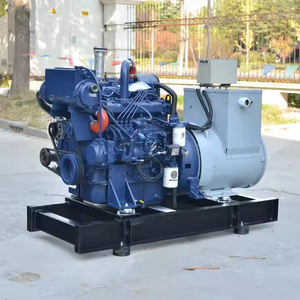
Includes dual-circuit sea-water heat exchanger, auto-start controller, soundproof canopy option, and digital AVR for stable auxiliary power on commercial vessels.
Inquire Now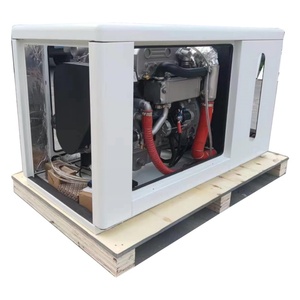
Compact auxiliary genset designed for fishing skiffs and workboats. Features flexible dual cooling choices (sea water heat exchanger or air cooling) with remote panel setup.
Inquire Now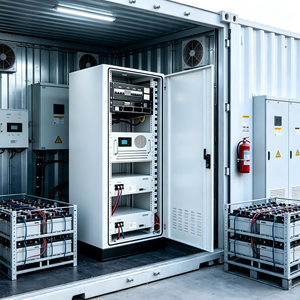
Industrial grade low-frequency inverter featuring an integrated copper isolation transformer. Delivers 300% surge capacity for motor starting, HVAC, and marine electronics.
Inquire Now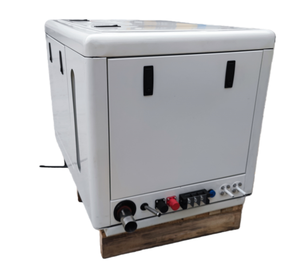
Variable-speed digital inverter marine genset. Encased in sound-shield enclosure with high-efficiency CuNi heat exchanger for yachts and luxury craft.
Inquire Now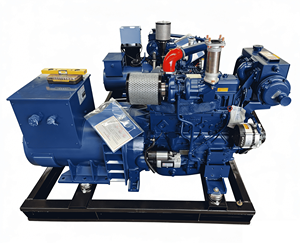
Heavy-duty continuous duty marine diesel generator built with reinforced engine blocks, anti-vibration rubber dampers, and Class H insulated alternators.
Inquire Now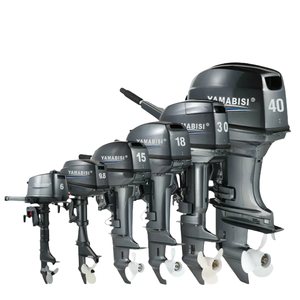
Rugged long-shaft outboard motors featuring anti-corrosive aluminum housing, electric start system, and enhanced water pump impellers for commercial coastal craft.
Inquire Now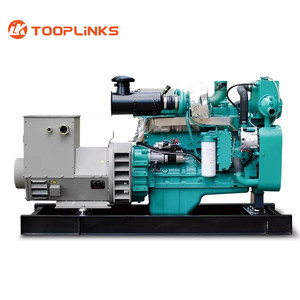
Commercial main propulsion or heavy service marine genset delivering 120kW continuous power output. Features electronic governor and double-skin fuel injection piping.
Inquire Now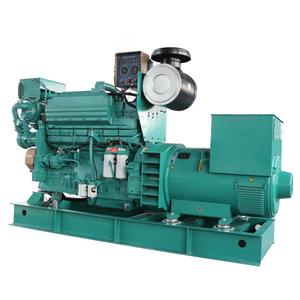
High-capacity 440kW hybrid-DC marine power system. Integrated 400V DC bus architecture designed for hybrid diesel-electric tugs, offshore platforms, and large ferries.
Inquire NowA comprehensive analysis of metallurgy, thermal dynamics, and load performance required for maritime power generation in harsh ocean environments.
Selecting reliable marine power generation equipment from a recognized marine power manufacturer & exporter in Japan demands a deep understanding of marine ambient conditions, thermodynamic limits, and electrical load dynamics. Ocean-going vessels, workboats, and specialized aquaculture craft operate under severe environmental constraints: constant vibration, salt-laden ambient air, ambient machinery space temperatures reaching up to 55°C, and highly variable electrical loads driven by heavy hydraulic pumps, winches, and navigation equipment.
Unlike stationary terrestrial power generators, marine diesel generator sets rely heavily on closed-loop sea-water heat exchangers or keel-cooling circuits to reject engine engine heat. Raw sea water presents an extreme galvanic corrosion threat to engine components. Superior Japanese marine manufacturing utilizes Copper-Nickel 90/10 (C70600) or pure Titanium tube bundles within marine shell-and-tube heat exchangers to prevent bio-fouling, erosion-corrosion, and pitting induced by high-velocity saline water.
Furthermore, engine cylinder heads and exhaust manifolds are water-jacketed to maintain low surface temperatures inside the engine room, adhering strictly to SOLAS (Safety of Life at Sea) guidelines which require surface temperatures to remain under 220°C to prevent fuel auto-ignition risks.
Modern commercial vessels rely heavily on sensitive marine navigation systems, radar units, positioning systems, and micro-processor controlled variable frequency drives (VFDs). Standard commercial alternators often suffer from high Total Harmonic Distortion (THD), leading to system reboots or component failure onboard. Japanese exported marine generators feature 2/3 pitch winding designs and class H epoxy insulation, impregnated under vacuum pressure (VPI) to resist salt air and humidity up to 98% non-condensing.
Comparative technical data comparing marine diesel gensets, variable-speed inverter gensets, and high-voltage DC systems for shipboard integration.
| Power System Type | Typical Power Range | Cooling Mechanism | Optimal Marine Application | Key Engineering Feature |
|---|---|---|---|---|
| Standby / Auxiliary Diesel Genset | 15 kW – 150 kW | Sea Water Heat Exchanger / Keel Cooled | Coastal Trawlers, Cargo Vessels, Ferries | Mechanical simplicity, high block load acceptance, low maintenance cycle |
| Variable-Speed Inverter Genset | 3 kW – 12 kW | Closed Sea-Salt Water Cooled Jacket | Yachts, Patrol Boats, Off-grid Boats | Ultra-quiet operation (<54 dB), low THD (<2%), reduced fuel consumption at partial loads |
| High-Output DC Bus Generator | 100 kW – 500 kW | Dual Circuit Freshwater / Seawater | Hybrid Tugs, Electric Propulsion Vessels | 400V-700V DC direct output, seamless battery bank integration, zero synchronization lag |
| Heavy Duty Marine Pure Sine Inverter | 1 kW – 15 kW | Forced Air convection with Conformal Coating | Yacht Solar, Battery Bank Conversion | Integrated heavy isolation transformer, 300% surge overload handling for inductive motors |
| 2-Stroke Heavy Commercial Outboard | 15 HP – 40 HP | Direct Raw Sea Water Cooling | Coastal Fisheries, Inflatable Rafts, Tender Boats | High torque-to-weight ratio, hardened gear housing, manual & electric dual start backup |
Specific operational scenarios engineered for Japan’s diverse climate, coastal bathymetry, and demanding maritime industries.
Operating in sub-zero ambient temperatures around Nemuro and Kushiro requires rapid-start auxiliary diesel gensets equipped with jacket water pre-heaters and high-capacity glow plugs. High-amp output ensures reliable power for heavy hydraulic crab pot haulers and blast freezers.
Cold-Start & Heavy RefrigerationTug operations within congested waterways demand compact 440kW 400V DC power plants capable of fast throttle response, rapid battery bank recharging, and compliance with strict noise and particulate vibration regulations in port basins.
Hybrid DC & Rapid ResponseInter-island passenger vessels navigating between Okinawa and surrounding archipelagos require multi-generator installations running in parallel with automatic load-sharing controllers to optimize fuel economy during cruising while ensuring 100% fail-safe redundancy.
Parallel Sync & RedundancyLightweight, high-power-density 3-12kW marine gensets fitted in soundproof capsules maintain essential electrical power for radar, communication arrays, and thermal imaging equipment without compromising craft velocity or draft depth.
Low Weight & Sound EncapsulatedUnmanned feed barges and fish farm monitoring stations off Sanriku Coast deploy low-frequency pure sine wave off-grid solar inverters paired with auto-starting standby diesel generators to deliver uninterrupted 24/7 power in highly corrosive salt spray zones.
Off-Grid Continuous TelemetryResearch craft require pristine electrical power with zero electromagnetic interference (EMI). Heavy-duty isolation transformers and ultra-low THD alternators protect sensitive sonar, water sampling equipment, and marine computers.
Zero EMI & Pure Sine PowerNavigating the transition toward ClassNK zero-emission goals, hybrid electric propulsion, and automated IoT fleet telemetry.
Japanese marine engine builders are adapting fuel injection nozzles, gaskets, and pump seals to handle hydrotreated vegetable oil (HVO) and biodiesel blends (B20-B100) without reducing engine overhaul intervals.
Moving away from legacy AC main distribution, modern vessel designs utilize centralized DC bus grids. This enables peak-shaving via lithium battery banks and allows main gensets to run at variable speeds for maximum fuel efficiency.
Real-time telemetry modules broadcast engine temperature, oil pressure, battery voltage, and fuel burn rates over Modbus TCP or DNP3 directly to shore-based maintenance dashboards for predictive fault prevention.
Combining 38+ years of custom electrical engineering, ISO 9001 quality control systems, and worldwide support infrastructure.
Over 50% of the marine power systems we manufacture and export are engineered to custom customer specifications. Our engineering team handles precise electrical re-rating, mechanical mounting redesign, conformal board coating for high humidity, and custom SCADA communications mapping (DNP3, Modbus RTU/TCP, SNMP, dry contact relay logic).
Every system built undergoes stringent Factory Acceptance Testing (FAT) on full-load resistor banks, witnessing transient response, thermal equilibrium limits, vibration harmonics, and insulation breakdown under ISO 9001:2015 audited protocols before international export dispatch.
We back our international export fleet with regional engineering support hubs across Sydney (Australia), Auckland (New Zealand), Singapore, and Dubai (UAE). Technical questions are handled directly by senior application power engineers, not commercial call centers.
Under the Helios Priority Programme framework, asset owners standardizing on our marine power platforms receive guaranteed spare parts allocation, priority factory dispatch, and documented 15–20 year product lifecycle support with drop-in replacement options.
Technical, regulatory, and logistics answers for naval architects, shipyards, and marine engine buyers.