
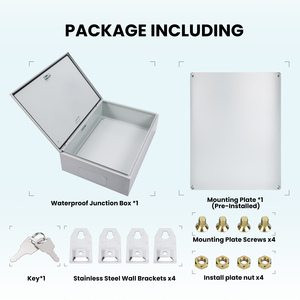
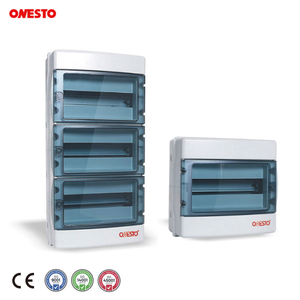
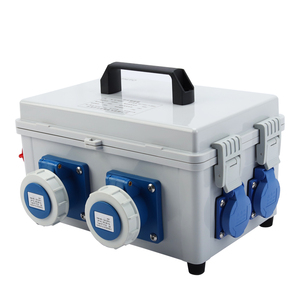
Engineered to withstand extreme thermal stress, electromagnetic interference, and heavy electrical surges. Explored below are our primary, safety-certified industrial distribution boxes, step-down transformers, and smart PDUs.
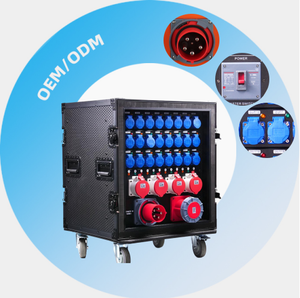
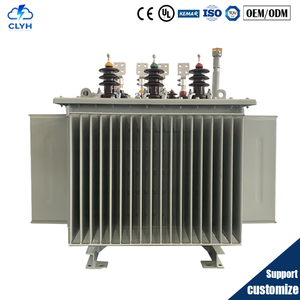
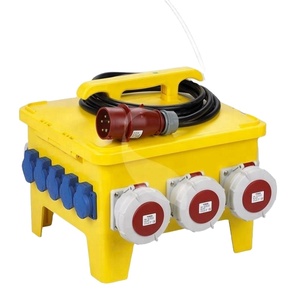
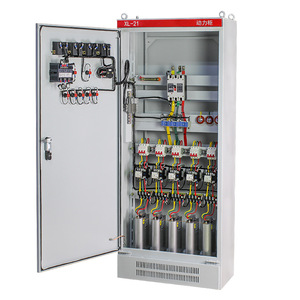
With over 38 years of dedicated power conversion and engineering expertise, our solutions protect utility grids, defense platforms, remote telecom nodes, and automated processing plants across the globe.
Every engineered DC UPS, charger, and transformer undergo comprehensive Factory Acceptance Testing (FAT), full component traceability, and rigorous environmental stress screening prior to site deployment.
Over 50% of our production consists of tailored systems engineered to non-standard electrical specs: custom thermal derating, shock-proof sub-assemblies, conformal coating, and specialized cabinet form factors.
Native hardware support for DNP3 (Serial & TCP Outstation), Modbus RTU/TCP, SNMP v3, and dry volt-free alarm contacts ensure seamless telemetry transmission to remote master control stations.
Selecting an uninterruptible power system for utility sub-stations, offshore oil rigs, or heavy industrial automation requires evaluating parameters far beyond basic VA ratings. Commercial off-the-shelf (COTS) IT UPS systems routinely fail in industrial environments due to thermal limits, lack of galvanic isolation, insufficient short-circuit clearance capacity, and poor battery float voltage regulation.
| Architecture Type | Primary Industrial Use-Case | Typical Voltage & Capacity | Galvanic Isolation | Design Life & MTBF | Key Selection Considerations |
|---|---|---|---|---|---|
| Industrial DC UPS Systems | Substation switchgear, RTUs, telecommunications, remote control panels | 12V, 24V, 48V, 110V, 220V DC (50W to 50kW) |
Standard (Transformer Isolated) | 20+ Years >250,000 Hours |
Provides true zero-transfer time; direct battery buffering eliminates double-conversion inverter losses. |
| Modular N+1 Hot-Swap Systems | Telecom central offices, data centers, continuous process automation | 48V DC / 400V AC (1kW to 400kW modular) |
Optional Internal Shelf Isolation | 15–20 Years >300,000 Hours |
Allows online live maintenance (MTTR < 5 mins) without interrupting power to critical downstream loads. |
| Industrial AC UPS (Online Double Conv.) | Process control instrumentation, SCADA servers, DCS automation | 110V/220V Single-Phase 380V/415V Three-Phase |
Built-in Inverter Output Transformer | 15+ Years >150,000 Hours |
Resistant to high inrush currents from inductive loads and high crest factor switching power supplies. |
| Industrial Battery Chargers + DC Bus | Power transmission substations, power generation plants | 110V / 220V DC Bank (10A to 600A output) |
Full Input/Output Transformer Isolation | 25+ Years >200,000 Hours |
Optimized for heavy VRLA, NiCd, or LiFePO4 battery management with temperature-compensated float/boost profiles. |
Standard commercial UPS units rely on active forced-air fan cooling designed for clean, climate-controlled server rooms operating between 20°C and 25°C. In contrast, industrial power systems operating in remote desert substations or chemical processing facilities encounter ambient temperatures exceeding 50°C, corrosive atmospheric gases, moisture, and conductive dust.
As global industrial networks undergo rapid digitalization and decarbonization, engineering procurement managers must align equipment specifications with long-term technology shifts over 15 to 25 year asset life cycles.
While Valve-Regulated Lead-Acid (VRLA) and Nickel-Cadmium (NiCd) batteries remain substation staples, procurement contracts increasingly specify LiFePO4 chemistry. Lithium banks offer 3x the cycle life, superior thermal stability up to 60°C, a 60% footprint reduction, and integrated smart BMS cell balancing.
Modern power procurement mandates strict cyber-resilient communications. Unencrypted SNMP v1/v2 protocols are actively phased out in favor of SNMP v3, DNP3 Secure Authentication, and IEEE 1686 compliance to prevent unauthorized remote tampering of critical sub-station power parameters.
Procurement strategy is moving away from monolithic single-block UPS cabinets toward modular N+1 hot-swappable architectures. Modular designs reduce initial CapEx through pay-as-you-grow expansion while dropping Mean Time to Repair (MTTR) from hours to minutes.

Industrial UPS design is undergoing a paradigm shift driven by wide-bandgap semiconductors, edge predictive telemetry, and intelligent grid interaction.
Replacing silicon IGBTs with Silicon Carbide (SiC) MOSFETs raises converter efficiency past 97%, reduces heat dissipation by up to 40%, and allows high-frequency switching that drastically shrinks transformer and inductor physical dimensions.
Modern power controllers move beyond simple voltage thresholds. By sampling dynamic internal impedance, ripple voltage response, and ambient thermal curves, AI models accurately predict battery bank degradation 6 months before catastrophic failure.
Next-generation industrial UPS systems function as active bidirectional microgrid nodes—capable of feeding excess battery capacity back into regional smart grids or absorbing renewable solar/wind surges without compromising local mission-critical loads.

Supplying 110V/220V DC battery charger systems with DNP3 telemetry for 11kV/33kV transmission switchgear tripping, protective relaying, and emergency breaker operations.

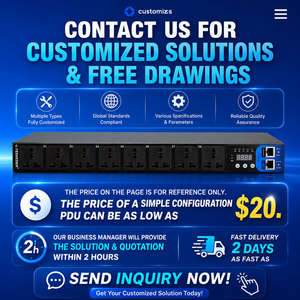
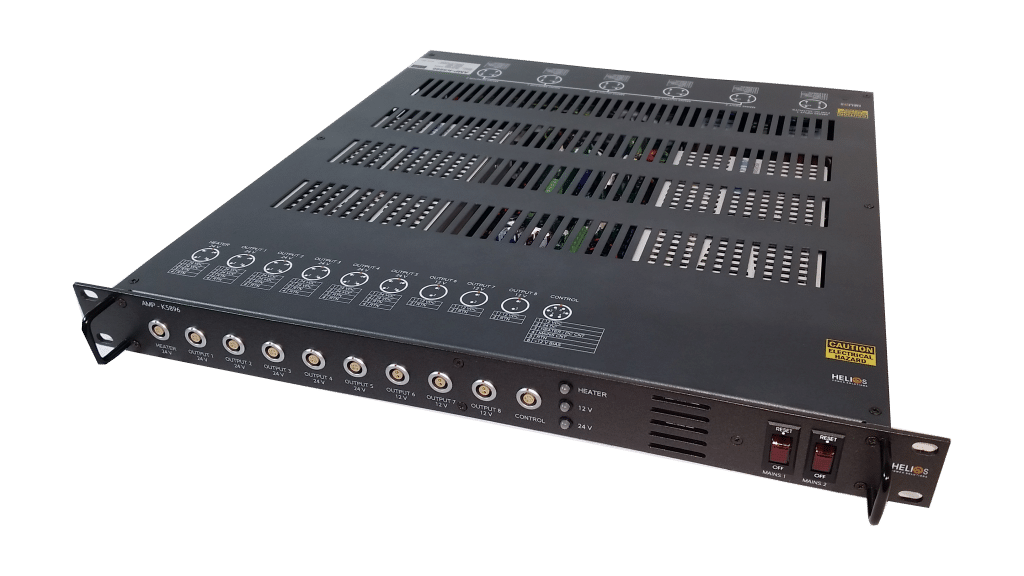
Shock-mounted, MIL-STD compliant multi-output power distribution units, 1U low-profile rack systems, and IP67 portable 3-phase high-power battery chargers.
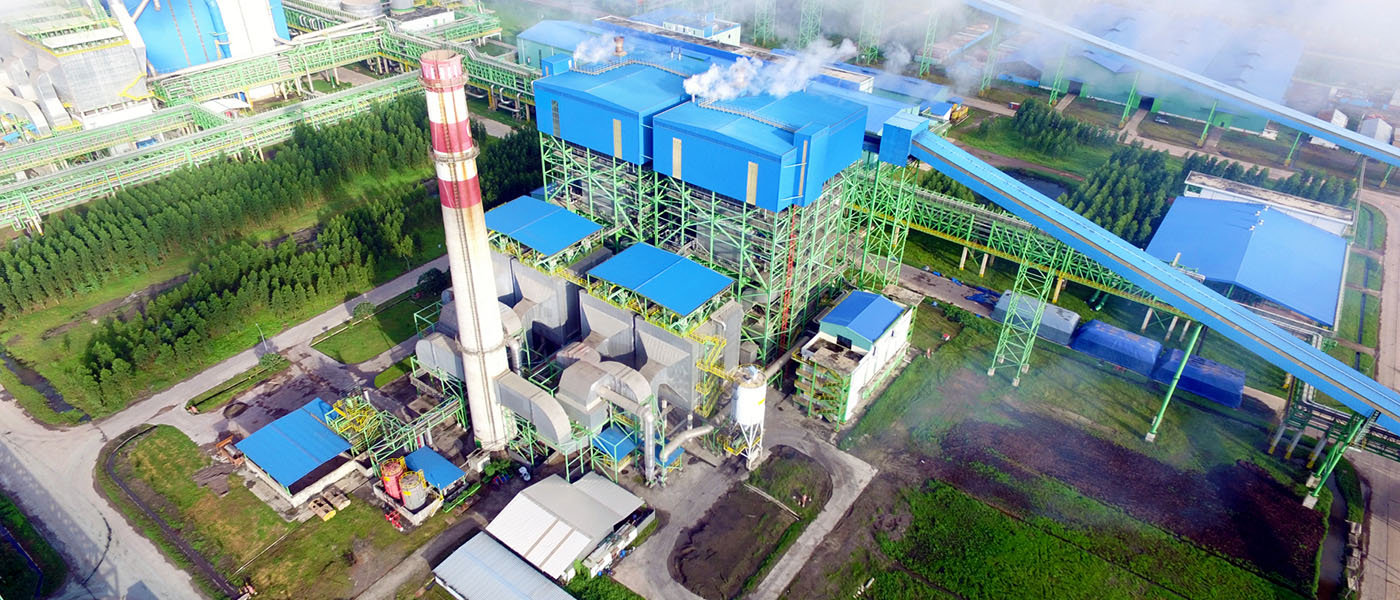
Protecting continuous process control lines, pulp & paper mills, and mining conveyor networks against voltage sags, brownouts, and phase loss outages.
Technical answers to common questions raised by electrical consultants, procurement heads, and asset protection engineers.
Speak directly with our senior power engineers to request full engineering datasheets, factory testing reports, or customized quotes for your upcoming project installation.