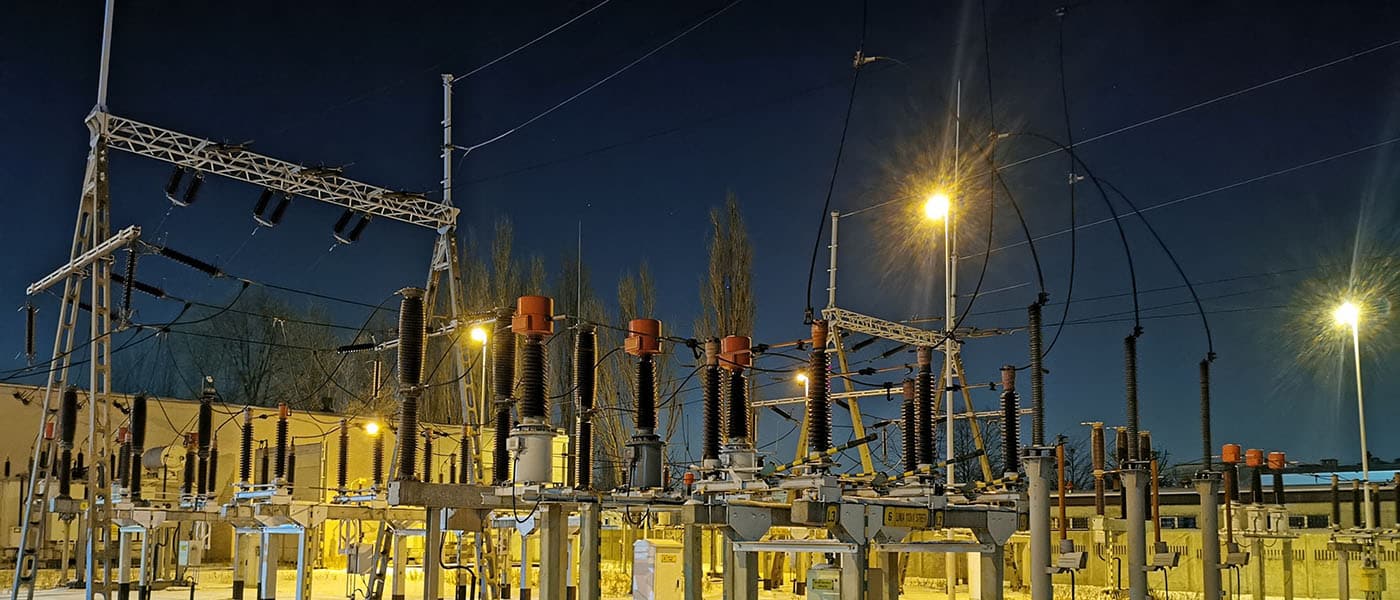
Engineered to exceed tough industrial and military specifications. Explore our core OEM/ODM defense-ready power distribution systems, transformers, and smart PDUs.
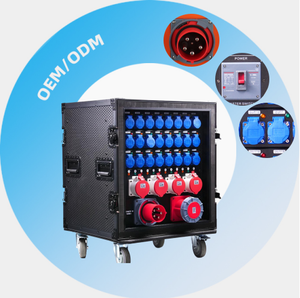
16A IP67 rated aluminum alloy heavy-duty enclosure supporting 110V-10KV 50/60Hz high-voltage protection.
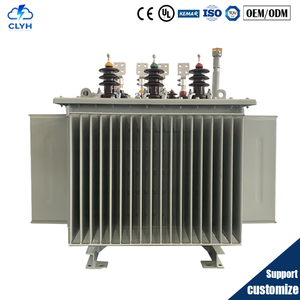
Three-phase copper winding design optimized for substations, field bases, and tactical high-voltage stepping.
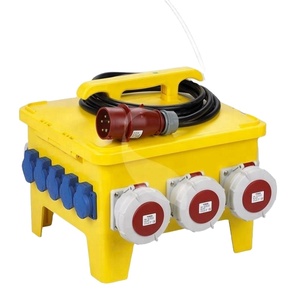
Rugged industrial 3-phase modular distribution enclosure designed for field maintenance and critical site power isolation.
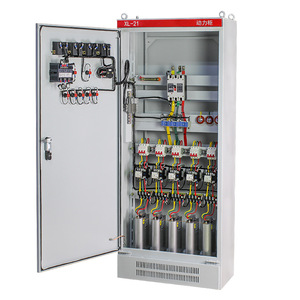
Seamless backup generator integration cabinet with IP54 ingress protection for continuous uninterrupted operation.
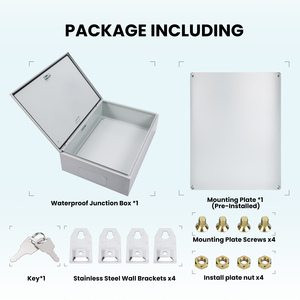
Industry-compliant 3-phase complete accessory kit for quick deployment in field service and shelter infrastructure.
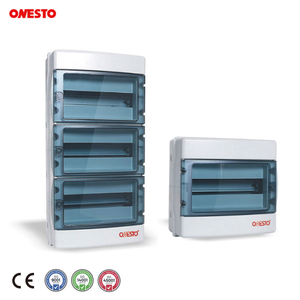
Multi-way modular circuit breaker enclosure built with high-impact resistance for extreme environmental exposure.
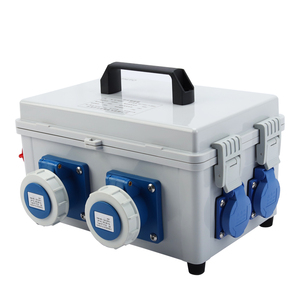
Outdoor ABS electrical socket box featuring key lock mechanisms, 4 socket outlets, and robust waterproof seals.
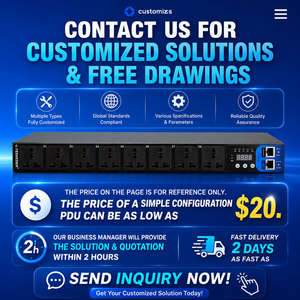
Director-level metered & switched power distribution unit supporting RS485 slave protocols and remote telemetry.
Since 1987, Helios Power Solutions has engineered, manufactured, and supported specialized AC/DC power conversion, battery chargers, and power distribution systems for defense forces, substations, and critical telecommunication hubs.
In high-stakes environments—where power interruption is not an option—standard off-the-shelf industrial components often fail due to thermal stress, severe vibration, electromagnetic interference (EMI), or improper battery charging profiles. Over 50% of our delivered solutions are custom OEM/ODM defense specifications engineered in-house by our veteran power conversion specialists.
We maintain fully equipped engineering, assembly, and testing hubs across Australia (Sydney), New Zealand (Auckland), Singapore, and the Middle East (Dubai). Our operations comply strictly with ISO 9001:2015 standards, ensuring complete component traceability, rigorous Factory Acceptance Testing (FAT), and extended support lifecycles spanning 15 to 25 years.
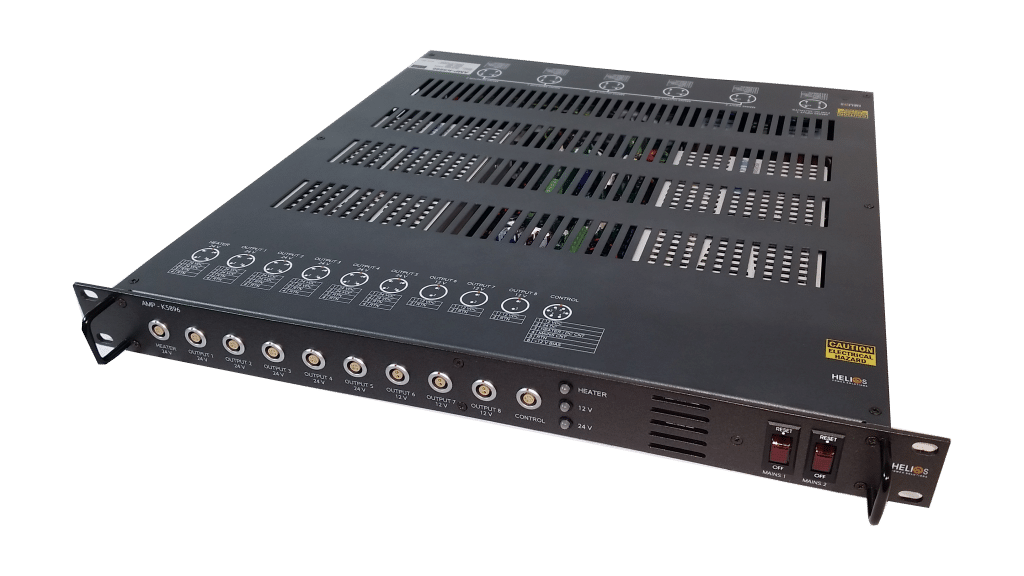
Figure 1: AMP-K5896 Military-Grade Multi-Output Power System featuring shock-mount enclosure and EMI filtering.
From tactical field shelters to naval command modules, our modular DC/AC power conversion platforms can be tailored to meet exact military and severe industrial requirements.
Enclosures designed for extreme field resilience, conforming to MIL-STD-810H for shock, vibration, and thermal cycling. Fully sealed IP65/IP67 chassis, conformal-coated circuit assemblies, and marine-grade anti-corrosion coatings enable reliable deployment in desert, tropical, or arctic conditions.
Tailored input/output voltage matching (12V, 24V, 48V, 110V, 125V, 220V DC and 110V-10kV AC). Systems incorporate ultra-low ripple voltage, dynamic step-load recovery, high hold-up time, and true pure sine wave inversion to safeguard sensitive radar, tactical comms, and switchgear trip coils.
Monitored power distribution and smart controllers natively supporting DNP3 (Serial & TCP), Modbus RTU/TCP, SNMP v3, and configurable volt-free dry alarm contacts. Protocol mapping is bench-verified using outstation simulators prior to site commissioning.
As modern military forces and critical utilities transition toward microgrids, autonomous tactical units, and digital substations, power procurement strategies are undergoing a fundamental transformation.
Global defense procurement officers are rapidly standardizing on Silicon Carbide (SiC) and Gallium Nitride (GaN) switch-mode topologies. These materials double power density, reduce thermal dissipation by up to 40%, and shrink chassis footprints—allowing lighter deployable power units for field communications and unmanned platforms.
To eliminate single-point failures, modern RFPs demand N+1 redundant DC plants. Hot-swappable rectifier shelves allow field technicians to replace compromised modules in seconds without interrupting power to operational command consoles or protection relays.
While legacy lead-acid and NiCd battery banks remain prevalent in utility substations, defense exporters report a surge in Lithium Iron Phosphate (LiFePO4) specifications integrated with active Battery Management Systems (BMS). Intelligent charge profiling prevents thermal runaway and quadruples cycle life.
When evaluating international defense power suppliers, procurement directors must audit six key technical vectors:
Helios Power Solutions builds and customizes power equipment tailored to the unique regulatory, operational, and physical challenges of four key defense sectors.
Deployable shelters, naval vessel DC buses, and tactical command vehicles require low-profile, shock-mounted power conversion. Our 1U multi-output custom power distribution boxes and 3-phase portable chargers deliver clean DC power under intense physical vibration.
High-voltage substations rely on 110V/125V/220V DC tripping systems to operate circuit breakers during grid faults. Our battery chargers, step-down transformers, and distribution boards maintain unbroken power to protective relays under all conditions.
Data centers, radar stations, and land mobile radio sites demand zero-transfer-time DC UPS topologies. By combining rectifiers, float chargers, and automatic transfer switches (ATS), critical surveillance and comms links stay active during grid outages.
A practical comparison matrix compiled by our chief systems engineers to assist OEM buyers in selecting optimal power architectures.
| System Architecture | Primary Technical Function | Typical Voltage & Load | Ingress / Environmental Rating | Defense & Utility Applications |
|---|---|---|---|---|
| Integrated DC UPS System | Combines rectifier, float charger, and seamless no-break changeover in a unified enclosure. | 12V, 24V, 48V DC (100W – 10kW) |
IP20 (Rack mount) to IP67 (Tactical case) | Remote radio sites, field shelters, radar consoles, and CCTV access nodes. |
| Industrial Battery Charger + Dist. | Optimized battery management with float, boost, and temperature-compensated charging profiles. | 24V to 220V DC (Up to 400A continuous) |
NEMA 4X / IP54 / IP65 enclosure options | Substation switchgear tripping, power generation plants, heavy process control. |
| Modular N+1 DC Power Plant | Hot-swappable rectifier shelves controlled via smart SCADA communication modules. | -48V DC / 24V DC (Expandable to 100kW+) |
19-inch 1U-6U Sub-rack assemblies | Defense telecom exchanges, military data halls, satellite earth stations. |
| Step-Down Distribution Transformer | High-voltage stepped power distribution with low total harmonic distortion (THD). | 10kV Primary to 400V Three-Phase (100kVA) | Oil-immersed / Sealed tank (IEC / CE) | Main forward operating base power delivery, rural microgrids, heavy utilities. |
| Automatic Transfer Switch (ATS) Box | Monitors primary utility source and automatically commands backup generator changeover. | 220V Single-Phase / 380V Three-Phase | IP54 / IP65 Heavy-gauge steel cabinet | Emergency shelter generator coupling, command post power security. |
| Rack Mount Smart PDU | Individual outlet switching, remote current draw telemetry, and load shedding controls. | 110V – 240V AC / RS485 Interface | 1U/2U Horizontal or Vertical Zero-U | Server racks, defense communications shelters, remote telemetry units. |
Need a custom voltage rating, non-standard mechanical fitting, or specialized protocol map?
Contact UsTechnical guidance regarding compliance, design modification, quality assurance, and export procedures.
Commercial UPS units rely heavily on internal plastic housings, commercial-grade capacitors rated for narrow temperature ranges (0°C to 40°C), and basic SNMP cards. In contrast, a Defense-Grade DC UPS engineered by Helios utilizes conformal-coated PCBs, high-temperature industrial capacitors (-40°C to +75°C), heavy-gauge aluminum or stainless steel enclosures, isolated DC outputs, and stringent EMI filter stages compliant with MIL-STD-461G. Furthermore, DC UPS systems feed DC loads directly, eliminating the DC-AC-DC double conversion losses inherent to commercial AC UPS units.
Yes. Over half of our production output involves custom mechanical engineering. We provide full computer-aided design (CAD) integration, custom cutouts for MIL-spec circular connectors (e.g., Amphenol or Glenair), customized busbar routing, special powder coating colors (including NATO Green, Desert Tan, or RAL custom spec), and specialized shock-mounting brackets designed for shipboard or ground vehicle installation.
Our smart power distribution units and controllers support robust protocol integration, including DNP3 (outstation over serial RS485 or TCP/IP), Modbus RTU/TCP, and SNMP v3 with encrypted access. To ensure cybersecurity compliance on isolated defense networks, network interfaces can be physically segregated or configured with read-only telemetry mode, preventing unauthorized remote control while allowing complete real-time monitoring of voltage, current, and temperature parameters.
Every system shipped under our ISO 9001:2015 quality framework undergoes comprehensive Factory Acceptance Testing (FAT). Documentation packages include As-Built Electrical Schematics, Complete Component Traceability Logs, Insulation Resistance & Dielectric Withstand Test Reports, Burn-in Test Certificates, and Certificates of Origin for international customs clearance. Client-witnessed or third-party (e.g., Lloyd’s, Bureau Veritas) testing can also be arranged prior to export dispatch.
Defense infrastructure operates on extended 15-to-25-year life cycles. Helios maintains a formal Obsolescence Management Policy. We commit to supporting deployed systems with original spare parts, certified drop-in replacement modules, and repair services well beyond standard commercial warranty periods. Advance notifications (PCN) are issued at least 12 months prior to any major component revision, alongside engineered drop-in substitution guidance.
Prototyping timelines depend on the customization scope. Minor re-ratings or enclosure modifications are typically ready for engineering evaluation within 3 to 5 weeks. Fully custom ground-up designs requiring specialized tooling or MIL-spec compliance testing average 8 to 12 weeks for initial prototype FAT delivery. Volume export manufacturing schedules are optimized upon prototype approval, supported by localized stock holding in our regional hubs (AU, NZ, SG, UAE).