
Certified electrical hardware engineered for extreme reliability, harsh environments, continuous utility duty, and enterprise-level SCADA automation.
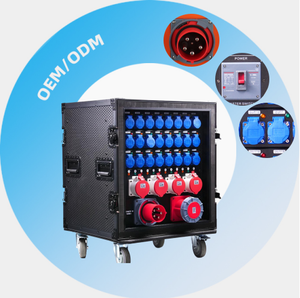
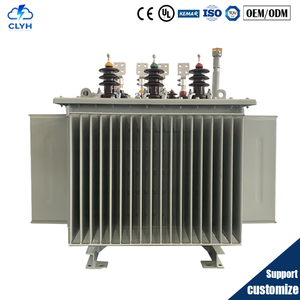
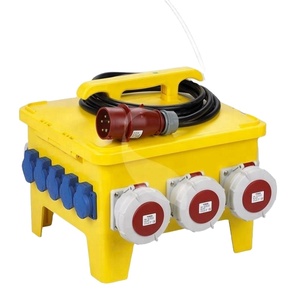
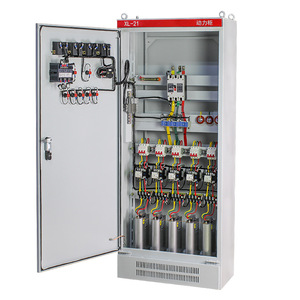
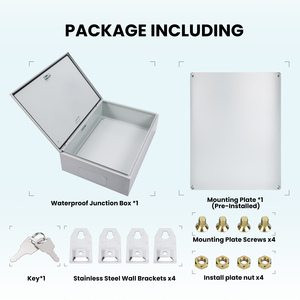
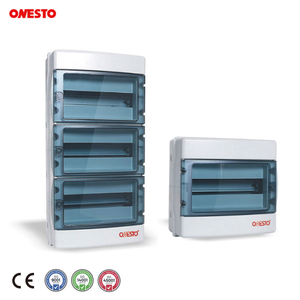
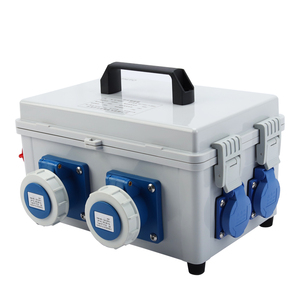

In modern electrical infrastructure, power reliability is non-negotiable. Whether engineering critical switchgear tripping mechanisms in high-voltage substations, deploying ruggedized deployable tactical power systems for defense, or sustaining continuous data telemetry in telecom towers, standard off-the-shelf power equipment frequently falls short of site-specific constraints. As a premier Custom OEM Industrial Power Manufacturer & Exporter, our engineering framework integrates rigorous electrical re-rating, advanced thermal design, custom communication protocol mapping, and compliance with stringent international safety standards including IEC, CE, and ISO 9001:2015.
The industrial power landscape has shifted dramatically from legacy analog conversion systems to intelligent, SCADA-integrated digital power ecosystems. Modern infrastructure demands non-stop operation where an interruption of a few milliseconds can cascade into million-dollar equipment failures or severe safety hazards. This engineering report serves as a technical blueprint for system integrators, electrical consultants, infrastructure engineers, and procurement directors seeking to optimize power system resilience through custom OEM/ODM manufacturing.
Tailoring input/output voltages, current capacities, hold-up times, and ripple attenuation to exact operational profiles and ambient site constraints.
Enclosures rated from IP54 up to IP67 in die-cast aluminum, UV-resistant ABS, or marine-grade stainless steel with conformal coated PCBs for chemical and humidity resistance.
Seamless native support for DNP3 outstation (serial/TCP), Modbus RTU/TCP, SNMP traps, and dry volt-free alarm contacts for real-time remote telemetry.
Selecting the appropriate electrical architecture requires balancing autonomy parameters, initial capital expenditure, physical footprint, maintenance intervals, and fault-tolerance levels. The matrix below contrasts five core power architecture classes designed and exported across our global infrastructure network:
| Architecture Platform | Primary Industrial Use Case | Typical Electrical Range | Communication & Control | OEM Customization Vector |
|---|---|---|---|---|
| Industrial Integrated DC UPS | Remote RTUs, SCADA Nodes, LMR Towers, Access Control | 12V, 24V, 48V DC (Up to 10kW) | Modbus TCP, SNMP v3, Dry Contacts | Battery chemistry profiles (LiFePO4/VRLA), DIN-rail/Rack mounts |
| Substation Battery Chargers | 110V/220V Switchgear Tripping & Protection Relays | 24V – 220V DC (10A – 400A) | DNP3 Outstation, Modbus RTU | Temperature compensation, float/boost automatic profile switching |
| Modular N+1 DC Systems | Telecom Central Offices, Data Halls, Micro-Grids | 48V DC Systems (Expandable to 100kW+) | TCP/IP Ethernet, Web GUI, RS485 | Hot-swappable rectifier shelves, redundant master controllers |
| Industrial Step-Down Transformers | Rural Distribution, Isolation, Voltage Step-Down | 10kV to 400V Three Phase (100kVA+) | Thermal Sensors, Oil Level Gauge | Oil-immersed vs. Dry-type windings, hermetic sealing, taps |
| Smart Rack-Mount PDUs | Enterprise Server Racks, Control Room Instrumentation | 110V – 400V AC (16A – 63A) | RS485 Daisy Chain, Director Level SNMP | Outlet-level switching, custom socket standards (Ceeform, IEC) |
Our ISO 9001:2015 certified design and assembly workflow bridges the gap between complex engineering specifications and bulletproof field performance. Unlike commodity suppliers who sell off-the-shelf products without engineering verification, our custom OEM process mandates a structured 5-stage quality gate:
Our application engineers conduct a deep review of site conditions, including load profiles, peak surge currents, ambient thermal derating curves, harmonic distortion limits (THD), and hold-up time requirements. We evaluate duty cycles, battery autonomy constraints, and environmental exposure factors (salt mist, seismic vibration, ambient thermal swings from -40°C to +70°C).
Utilizing state-of-the-art power conversion topologies—such as zero-voltage switching (ZVS) resonant converters, high-frequency switch-mode rectifiers, and isolated copper-wound step-down transformers—we model system efficiency, EMI/EMC compliance, and thermal dissipation before prototyping.
Enclosures are built for extreme durability. Depending on the specification, we engineer custom IP65/IP67 die-cast aluminum boxes, lockable ABS field sockets, or 19-inch rack-mount chassis. Mechanical designs incorporate thermal heatsinks, shock-absorption mountings for rail/defence, and anti-vibration terminal connections.
Every custom unit undergoes 100% full-load burn-in testing, dielectric voltage withstand insulation testing, impulse surge testing, and SCADA communications verification using calibrated DNP3 and Modbus test sets. Clients receive complete as-built schematic packages, routine test reports, and compliance certificates prior to dispatch.
The global transition toward decentralized microgrids, renewable integration, and smart grid automation is fundamentally redefining industrial power hardware specifications. Procurement managers and system designers must anticipate several key technological shifts:
Backed by over 38 years of power engineering heritage and operating under an accredited ISO 9001:2015 Quality Management System, our company stands as a trusted manufacturing partner for critical infrastructure operators worldwide. With specialized engineering and stock allocation hubs located in Australia, New Zealand, Singapore, and Dubai, we deliver localized technical support, fast component turnaround, and lifecycle asset management.
Our Priority Programme ensures that asset owners standardizing on our power platforms receive prioritized technical response times, allocated strategic spares stock, documented product lifecycle roadmap guidance, and scheduled battery capacity verification. This long-term commitment safeguards power infrastructure through its full 15 to 25-year operational lifecycle.
Direct engineering insights regarding custom OEM modifications, certification standards, SCADA integration, and global supply logistics.
An industrial DC UPS combines an AC/DC rectifier, battery charging circuit, dynamic battery monitoring, and a seamless, zero-transfer-time DC changeover switch within a single integrated enclosure. When AC utility power fails, the load draws continuous power from the battery bank without millisecond interruptions.
In contrast, a standalone industrial battery charger is dedicated solely to maintaining the battery bank's charge profile (float, boost, temperature-compensated charging) and typically feeds a separate DC distribution board. Substations and power station switchgear rooms usually specify separate heavy-duty chargers with large external battery racks, while remote telecommunications cabinets, RTU enclosures, and OEM machine builders prefer integrated DC UPS solutions.
Yes. Over 50% of our shipped power systems are engineered-to-order (ETO) or modified from standard platforms. Our engineering design team handles input/output voltage re-rating, specialized current limiting, custom alarm and protocol mapping (DNP3, Modbus RTU/TCP, SNMP), shock-mounted or vibration-hardened rugged chassis design, PCB conformal coating, and specialized IP-rated outdoor enclosures (IP54 to IP67). We provide complete design documentation, drawings, and Factory Acceptance Testing (FAT).
Our smart controllers and monitored distribution systems support DNP3 outstation (serial RS232/RS485 and Ethernet TCP/IP), Modbus RTU, Modbus TCP, SNMP (v1, v2c, v3 traps for network monitoring), and configurable dry volt-free relay contacts for legacy telemetry systems. Protocol conformance is bench-tested against standard test sets prior to factory dispatch, and complete register point lists are included in the documentation package.
All custom OEM manufacturing operates under an audited ISO 9001:2015 Quality Management System. Depending on the product line and destination market, our equipment complies with CE mark requirements, IEC 61850 (substation automation standards), IEC 60950-1 / IEC 62368-1 (safety standards), EN 61000-6-2 / EN 61000-6-4 (industrial EMC immunity and emissions), and IP65/IP67 ingress ratings according to IEC 60529. High-voltage transformers adhere to strict IEC 60076 standards.
We design systems with long infrastructure lifecycles in mind. Technical support, schematic drawings, and replacement spare parts are maintained long past typical commercial product lifecycles. If a component approaches end-of-life (EOL), our engineering team issues advance obsolescence notices along with direct form-fit-function drop-in replacement options to avoid operational downtime.
Contact our application engineering team today to review your electrical load profile, request technical drawings, or initiate a custom manufacturing quotation.