
Engineered to meet rigorous IEC, CE, and ISO 9001:2015 standards for substation automation, industrial switchgear, rural electrification, and data center backup.
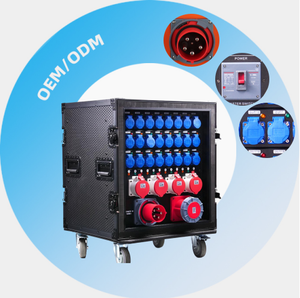
Custom OEM/ODM CE certified aluminum alloy enclosure rated 16A IP67. Operating range 110V–10kV, 50/60Hz for harsh utility protection.
Get a Quote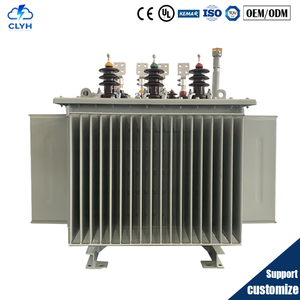
Three-phase 100% copper winding distribution transformer designed for rural substations and grid stepping. IEC & CE compliant at 50Hz.
Get a Quote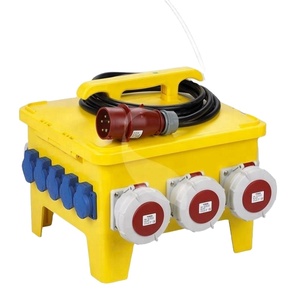
High-capacity 3-phase power distribution hub engineered for industrial process plants, commercial facilities, and main station feeders.
Get a Quote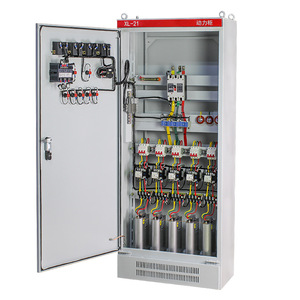
Dual-source 220V/380V ATS switchgear panel providing zero-downtime automatic mains-to-generator transfer for critical utility infrastructure.
Get a Quote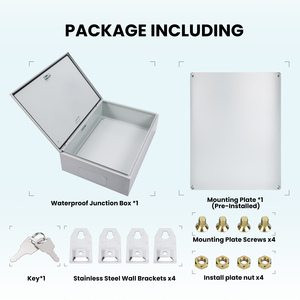
Fully accessorized, industry-compliant site maintenance distribution board equipped with breaker protection and external interlocks.
Get a Quote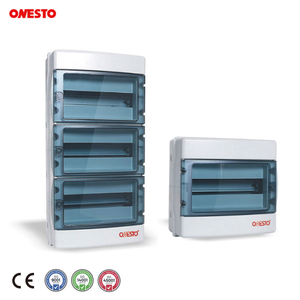
High-impact ABS/Polycarbonate weatherproof circuit breaker box available in 4, 6, 9, 13, 26, 39, and 52-way configurations.
Get a Quote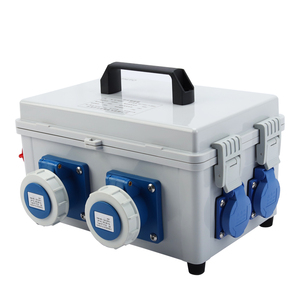
IP67 rated 220V key-locked outdoor electrical distribution box with 4 Ceeform sockets for high-moisture industrial and utility deployments.
Get a Quote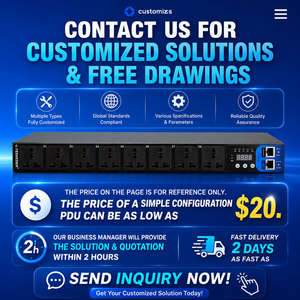
Vertical/Horizontal global-standard smart power distribution unit featuring RS485 slave metered switching for data center and telemetry racks.
Get a QuoteModern electrical power utilities require absolute operational resilience. Field failures in power distribution gear are rarely caused by basic components; they occur due to specification mismatches—such as thermal ambient derating overruns, uncoordinated circuit protection, or inadequate IP-rated sealing against environmental ingress.
Leading Chinese utility power manufacturers deliver significant Information Gain to international procurement teams by offering comprehensive engineering customization, rigorous Factory Acceptance Testing (FAT), and seamless SCADA protocol integration prior to dispatch.
Unlike standard off-the-shelf component resellers, primary Chinese manufacturing facilities integrate transformer coil winding, sheet metal enclosure fabrication, modular PDU assembly, and automated testing under one unified ISO 9001:2015 quality control management system.
This vertical integration drastically reduces lead times, optimizes capital expenditure (CAPEX), and ensures long-term lifecycle spare parts availability extending up to 25 years.
Analyzing key technology shifts, supply chain mandates, and technical specifications governing global utility equipment procurement over the next decade.
Procurement strategies are shifting away from rigid, monolithic power panels toward modular, hot-swappable distribution systems. Modular N+1 configurations allow power utilities to scale capacity dynamically without interrupting live load paths, reducing initial capital outlays while ensuring seamless future maintenance.
Next-generation distribution boxes and rack-mount PDUs now incorporate embedded microcontrollers supporting RS485, Modbus TCP, and SNMP protocols. Real-time monitoring of per-phase current, neutral current imbalance, and enclosure internal temperature is becoming a mandatory tender specification.
Global grid operators are implementing stringent efficiency directives (such as EU Tier 2 and IEC 60076 standards). Sourcing focus is migrating toward 10kV/400V step-down transformers utilizing high-grade 100% electrolytic copper windings and eco-friendly dielectric fluids to minimize no-load core losses.
With increasing climate volatility, buyers demand higher ingress protection standards (IP65 to IP67). Sourcing specifications prioritize die-cast aluminum alloy, UV-stabilized polycarbonate, and heavy-duty Ceeform socket assemblies that resist salt spray corrosion, thermal shock, and physical impact (IK10).
Grid stability requirements mandate the inclusion of intelligent Automatic Transfer Switches (ATS). Utility buyers select IP54/IP65 electric control cabinets equipped with mechanical interlocks, fast transfer times (<16ms), and programmable over/under voltage thresholds to handle seamless generator switchovers.
Procurement evaluations have shifted from initial purchase price to 20-year Total Cost of Ownership. Factors such as mean time between failures (MTBF), local engineering field support, spare parts guaranteed availability, and energy efficiency ratings now carry up to 40% weight in engineering tender scoring.
A practical comparison framework designed to assist electrical consultants, site utility engineers, and procurement directors in selecting optimal power conversion equipment.
| Equipment Architecture | Primary Utility Application | Typical Voltage & Power Range | Key Selection Parameters | Protection Grade |
|---|---|---|---|---|
| 10kV Step-Down Transformer | Rural substations, industrial grid stepping, main power distribution | 10kV Primary to 400V Secondary (100kVA – 2500kVA) | 100% Copper winding, low dielectric loss, oil-immersed cooling, IEC compliance | IP54 / Outdoor Tank |
| Aluminum Distribution Enclosures | Substation control panels, harsh outdoor power feeders | 110V to 10kV AC/DC, 16A to 400A continuous load | Die-cast aluminum alloy, mechanical interlocks, thermal dissipation management | IP67 Waterproof |
| Automatic Transfer Switch (ATS) | Utility backup power, critical infrastructure emergency switching | 220V / 380V Three-Phase (50/60Hz) | Fast transfer speed (<16ms), dual-source monitoring, SCADA interlock signals | IP54 Enclosure |
| Smart Metered Rack PDU | Substation telemetry racks, server rooms, control centers | 110V – 240V Single/Three Phase (16A – 63A) | RS485 Slave protocol, individual outlet switching, power factor monitoring | Rack-Mount 1U/0U |
| Ceeform Outdoor Socket Boxes | Field maintenance, temporary site utility power, portable generators | 220V Single Phase / 380V Three Phase (16A – 32A) | Key-locked ABS box, Ceeform sockets, residual current breaker protection (RCD) | IP67 Rated |
Expert answers addressing real-world engineering, compliance, and customization inquiries encountered by international procurement teams.
When procuring a 10kV to 400V step-down distribution transformer (such as a 100kVA 3-phase unit), primary engineering factors include winding material composition (100% electrolytic copper versus aluminum), short-circuit impedance matching, no-load loss metrics, and compliance with IEC 60076 standards. For rural or harsh environmental installations, oil-immersed designs offer superior thermal insulation and dielectric recovery compared to dry-type alternatives, ensuring long-term reliability under fluctuating grid loads.
An IP65 rating provides total protection against dust ingress and protection against low-pressure water jets from any direction. However, an IP67 rating upgrades this protection by ensuring complete water submersion defense (up to 1 meter depth for 30 minutes). For heavy-duty power distribution enclosures deployed in flood-prone utility sub-stations, coastal sites, or heavy industrial washdown zones, specifying IP67 aluminum alloy or ABS socket boxes eliminates atmospheric moisture entry and prevents internal phase-to-phase short-circuiting.
Yes. Leading OEM/ODM manufacturers routinely custom-engineer electrical control cabinets, Smart PDUs, and ATS boxes to seamlessly interface with centralized SCADA systems. This includes custom programming of communication hardware for DNP3 (serial or TCP), Modbus RTU/TCP, and SNMP protocols, alongside providing dry volt-free auxiliary contacts for physical telemetry feedback to Remote Terminal Units (RTUs).
Utility-grade ATS panels must incorporate both electrical and mechanical interlocks to prevent simultaneous connection of grid mains and standby generator sources, which would cause catastrophic short circuits or back-feeding into dead utility lines. Additionally, panels should feature programmable over/under voltage trips, phase loss detection, and adjustable transfer delay timers to allow generator stabilization prior to load transfer.
High-impact plastic distribution boxes (ranging from 4-way to 52-way configurations) constructed from UV-stabilized ABS or polycarbonate offer complete double-insulation (Class II protection), eliminating touch-voltage electric shock hazards. They are immune to rust, lightweight for rapid wall mounting, and feature transparent hinged covers for immediate visual inspection of circuit breaker trip status without opening main protective seals.
Prior to dispatch, custom OEM/ODM utility panels undergo Factory Acceptance Testing (FAT) including die-electric withstand voltage tests, insulation resistance verification, salt spray corrosion chamber testing, thermal rise measurement at continuous full load, and IK impact testing. Test reports, mechanical schematics, and single-line diagrams (SLD) are fully documented to support client engineering sign-off.